While working with many Indigenous communities, we have heard time and again their vision of Indigenous-led land management. Communities want to manage their water resources and track the effects of industry and climate change. As a result, communities are seeking ways to strengthen their technical capacity to do so.
Environmental technical training is a well-established field
What sets Water First apart is our approach.
First, we consult with our Indigenous partners about their long-term environmental water goals. By understanding their goals, we help to determine priority areas and local training needs.
Then, we design a training program based on a project that is carried out by the interns and aligns with the long-term vision of the community.
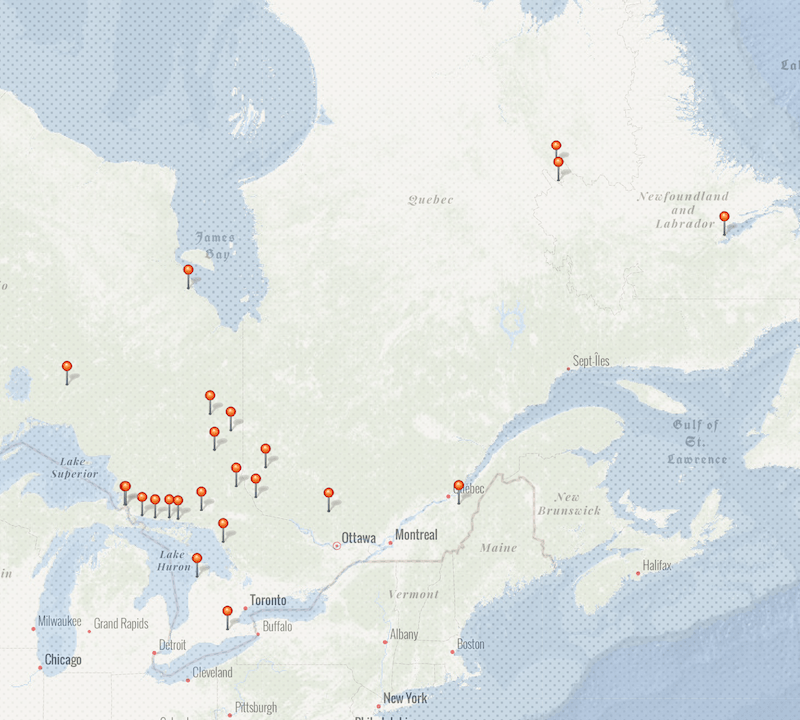
This map shows where our Environmental Water Program Team have worked and features two training programs that are set to start this summer.
Sheshatshiu Innu First Nation (SIFN) in Happy Valley Goose Bay, NL has begun to develop a 100% Innu owned and operated environmental tourism operation in the area. SIFN reached out to Water First to train their guides in order to have the local capacity to sustainably manage activities related to water quality, and fish habitat assessment and restoration.
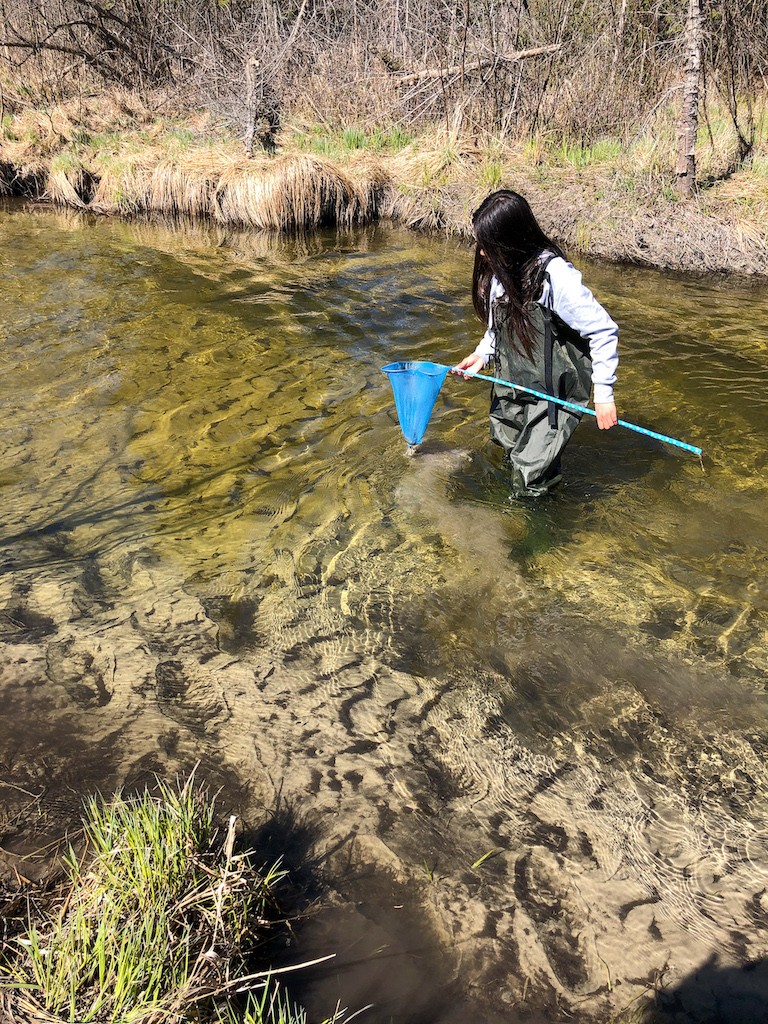
Water First will support the training of seven community members from Long Point, Kebaowek, and Kitigan Zibi First Nations. The goal is to build environmental monitoring skills and to gain certification in a standardized protocol for assessing stream health, called CABIN.