Update on the Bimose Drinking Water Internship
Operator-in-Training Exam
The Water First interns recently wrote their Entry Level Course and Operator in Training (OIT) exams. These exams are significant milestones in the Internship program, and passing this exam is the key step for the interns to become provincially certified as Operators in Training at a Water Treatment Plant.
To help the interns prepare for this particular exam, the Water First team travelled to Kenora to run a week-long review session with the interns. They covered challenging topics and wrote a mock exam to prepare.

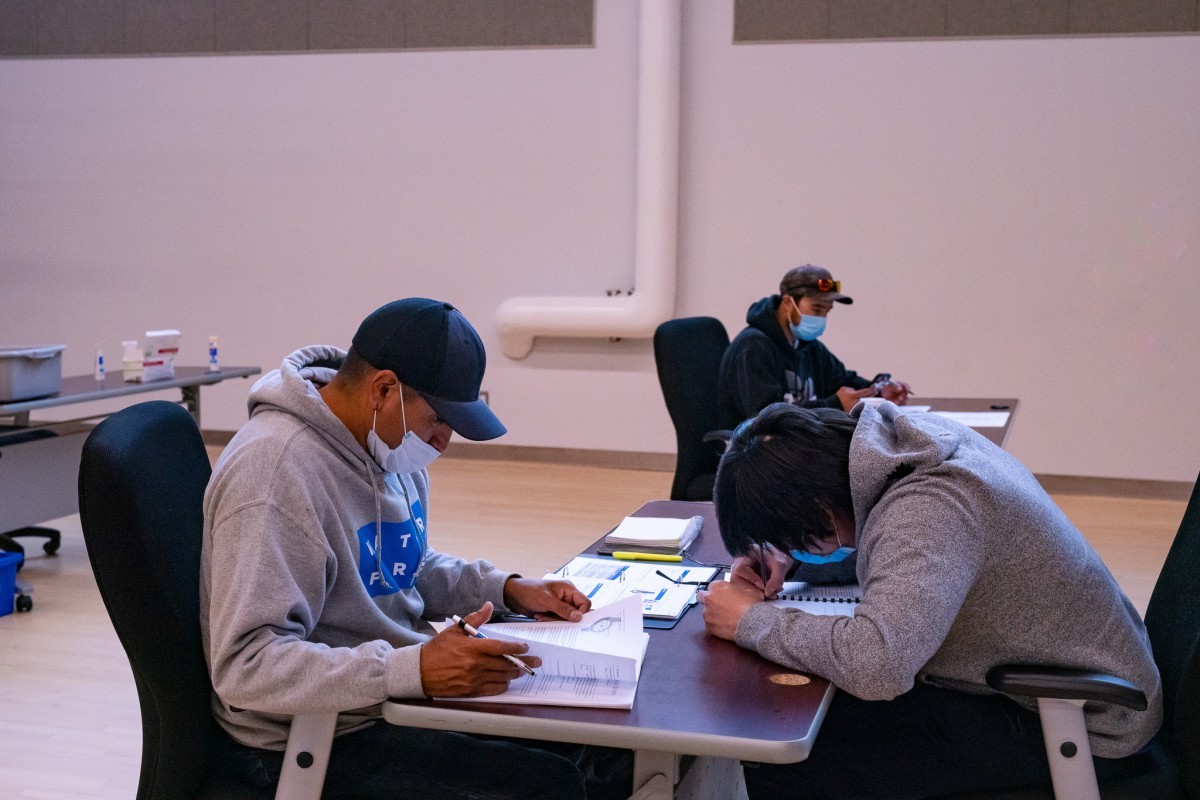
Here are a few example questions that could have been on the exam:
- The chlorine dosage of a town’s water source is 4.0 mg/L. The chlorine demand for the water is 3.7 mg/L. What is the chlorine residual?
- Which of the following samples results would be classified as an “Adverse Result” under Ontario Regulation 170/03?
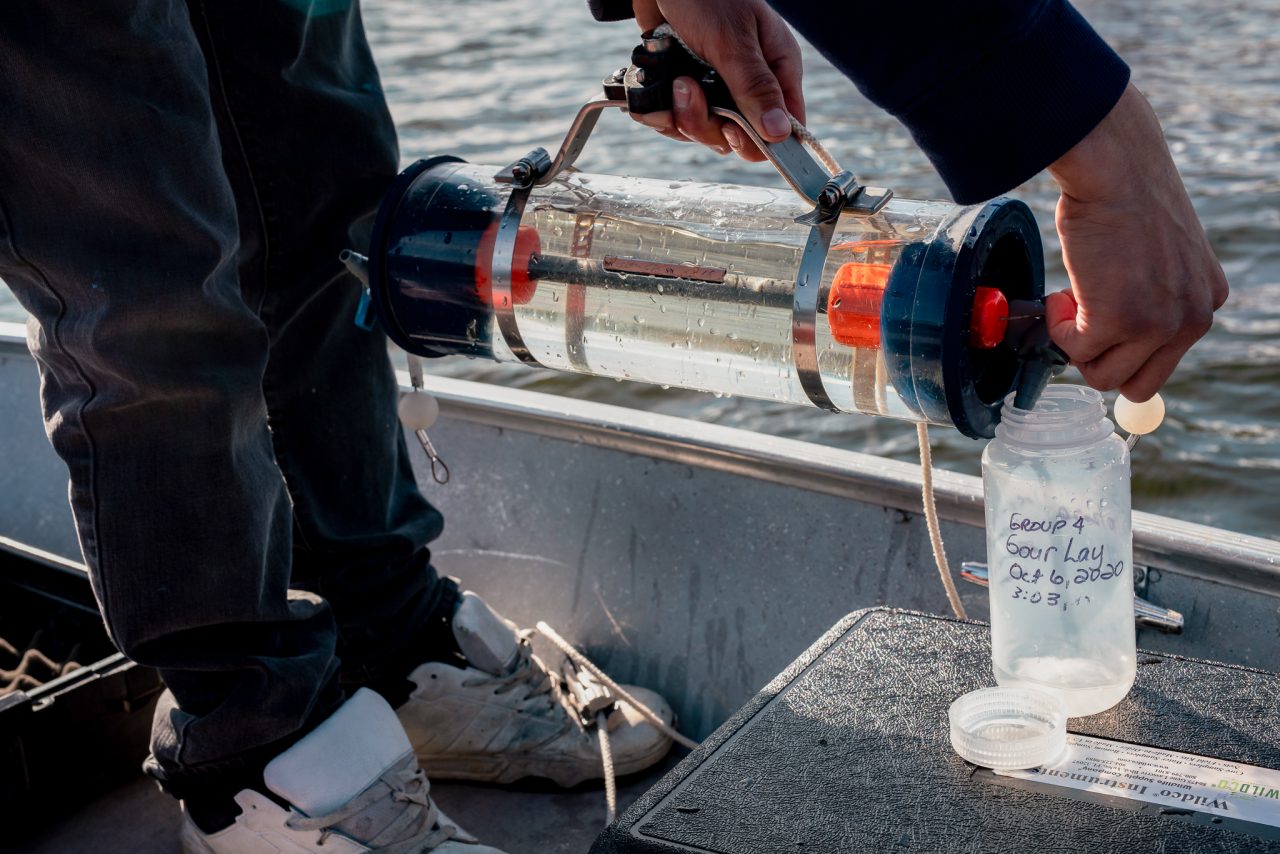
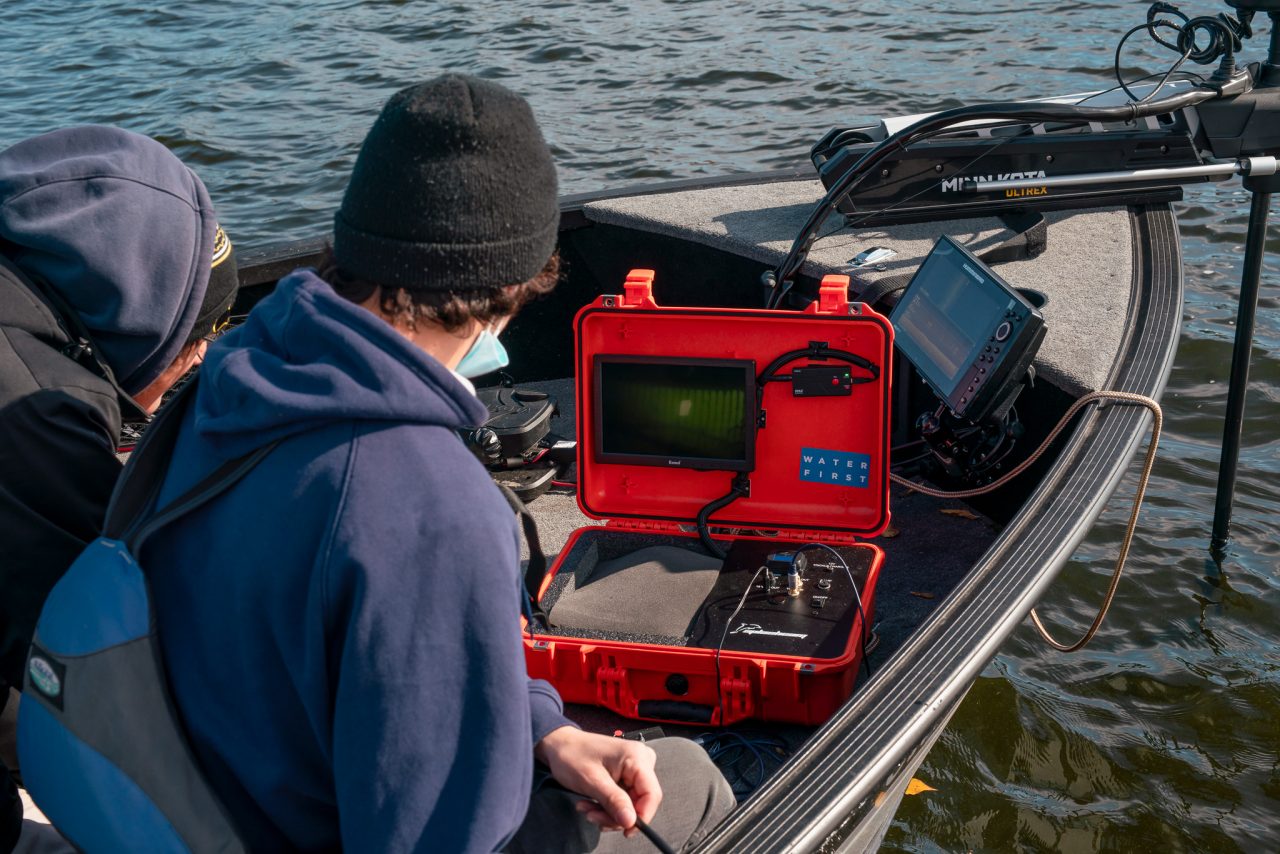
The internship program isn’t all about operating a water treatment plant. Environmental water monitoring training is included for a comprehensive skill set around water, from the watershed, to source water, and through treatment and distribution. After the big exam, the Water First team and interns spent a week diving into this training, out on the land and on the water. (More on this to come)
We are so proud of the interns and all the work they are doing in their journey to provide safe water for their communities.
Enviro Week!
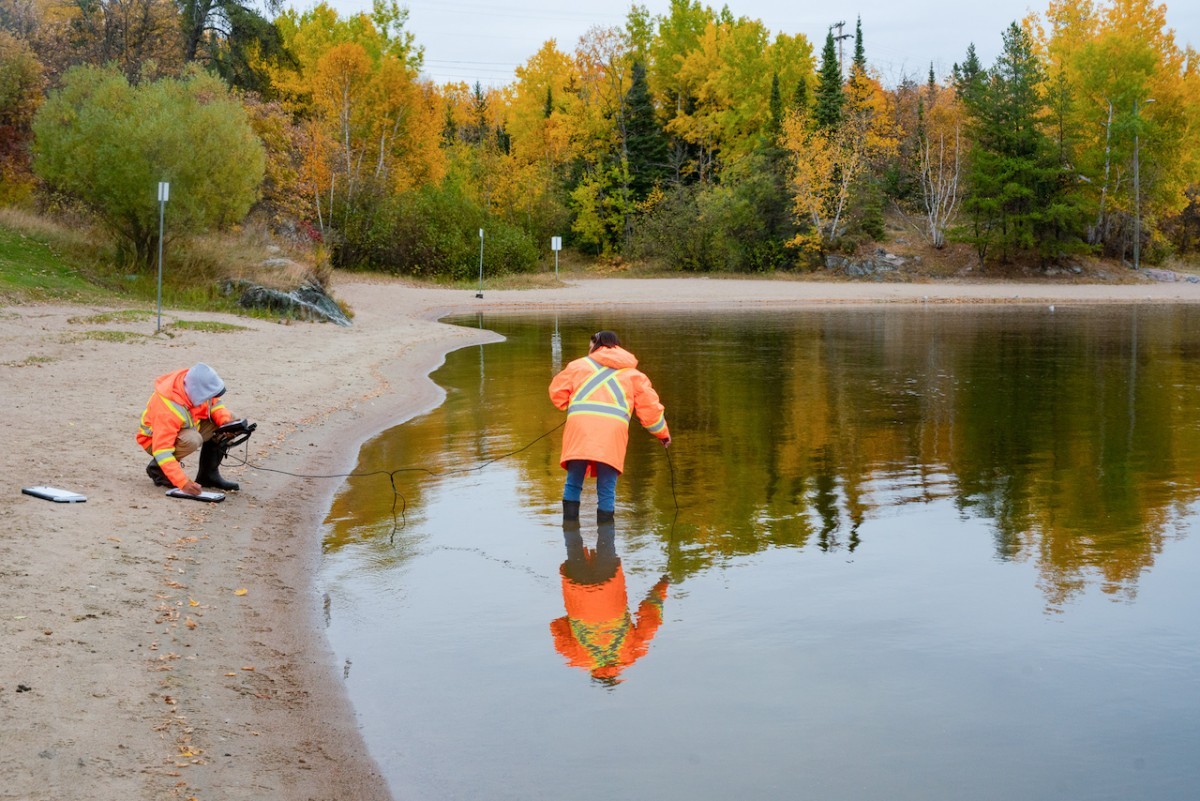
A few weeks ago in Kenora, Ontario, the interns in our Drinking Water Internship Program took part in a week-long introduction to water science in the environmental field.
After a long week of studying for the Operator in Training Exam, the interns were able to get out on the land, experiment with some hands-on activities, and experience some of the things they may do after completing the internship.
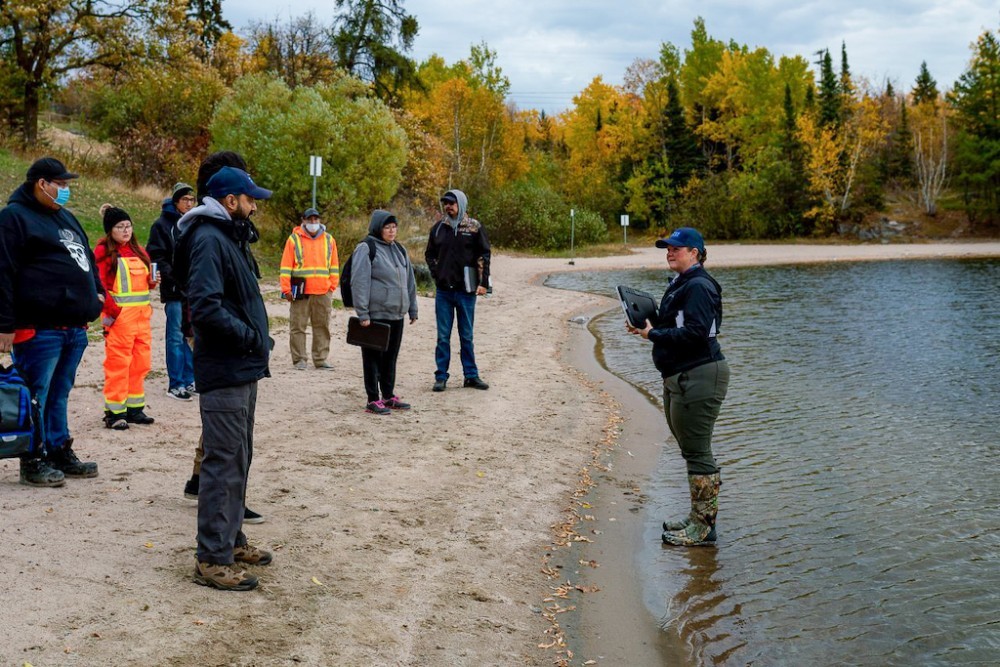
The first day involved an introduction to equipment and field sheets, as well as some time for reflections and observations. The following day the interns split into two groups to conduct a variety of activities (water quality, benthic sampling, etc.) — one group on the lake and the other in the stream.
Before being mailed out, all resource kits will be carefully prepared, while adhering to strict COVID appropriate sanitization and safety measures.
On the third day we held an adventure race, which had the interns using their GPS units to determine specific locations, followed by a tour of the Kenora Water Treatment Plant on day four.
On the final day of Enviro Week we had a water ceremony to close out the week. Judy Da Silva, Environmental Health Coordinator and activist from Grassy Narrows First Nation, joined us to lead the ceremony and conclude an amazing week.