Wade in! All the news from the Water First Drinking Water Program
Fall 2025
Filling our cups 🚰
These past few months have been an exciting and busy time for the Water First team! As we embrace the colder seasons, we’re celebrating the many successes of the past few months, and preparing for a busy and fulfilling year ahead.
At the heart of solving long-term water challenges in Indigenous communities are the dedicated individuals gaining the skills to make a difference. With each milestone, we’re reminded how vital these partnerships are in building sustainable access to safe drinking water.
Thank you for supporting Water First, and the important work happening through the Drinking Water Program!
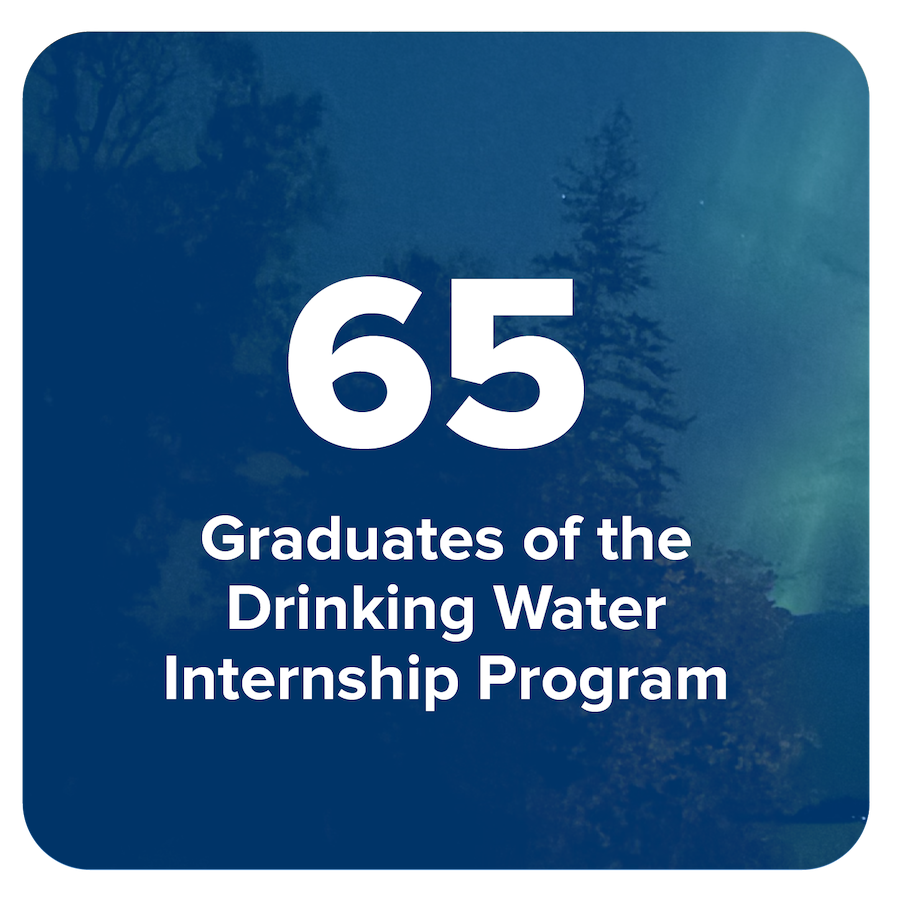
#️⃣ Drinking Water Program statistics, to date:


A new model brings new partnerships 🤝
The Southern Ontario Internship (SOI) launched in July 2025, introducing an exciting new model that supports partnerships across a broad region.
Through this approach we’ve now partnered with communities and those seeking to build additional capacity that we had not been able to partner with in the past. This exciting move supports Water First’s commitment to help develop these critical projects across the country.
The eight communities participating in the Southern Ontario Internship are:
- Alderville First Nation
- Aundeck Omni Kaning First Nation
- Chippewas of Nawash Unceded First Nation
- Curve Lake First Nation
- Mohawks of the Bay of Quinte
- Nipissing First Nation
- Shawanaga First Nation
- Walpole Island First Nation
The 15-month internship includes more than 2,000 hours of classroom and on-the-job training hours and skills workshops that will bring trainers and interns together across the southern Ontario region.
We wish all of the interns good luck and much success during their training!
“We are really happy to see this internship model come together. It’s a privilege to collaborate with so many communities and community members, and to really ensure that we are able to partner with any community that wants to work with us and address local training needs.”
John Millar, Executive Director and Founder of Water First
Catching up with the AKRC Interns 👋
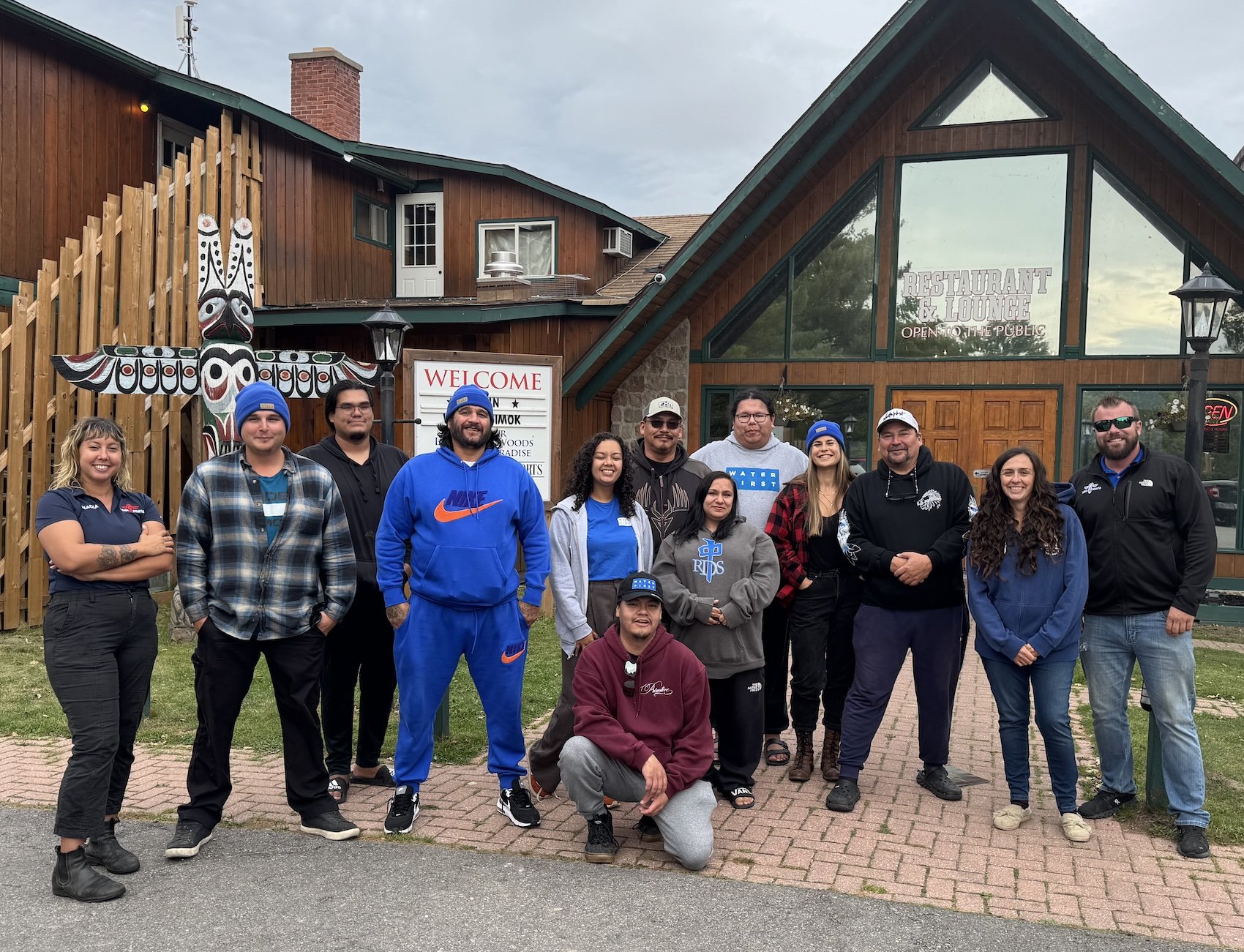
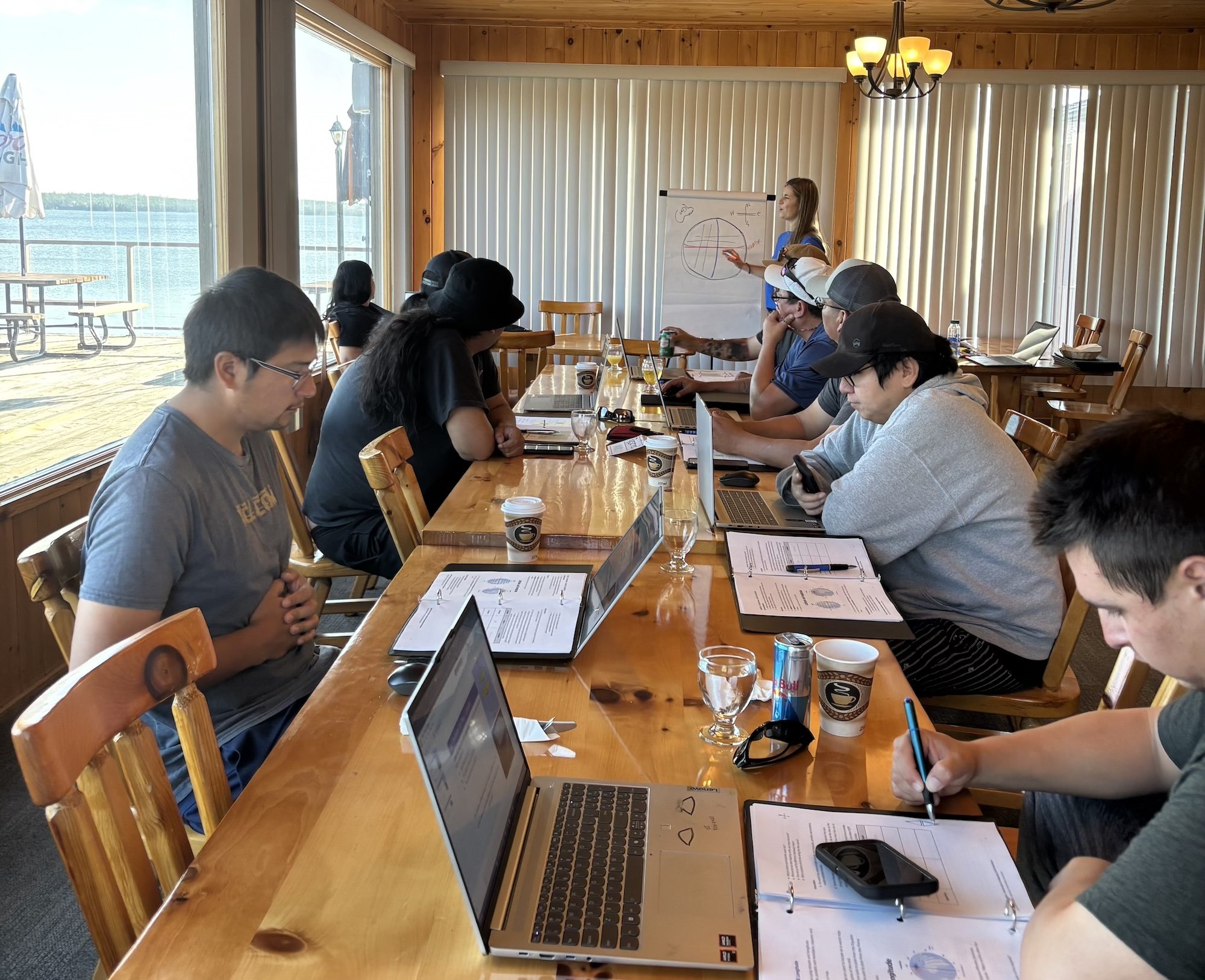
The Anishinaabeg of Kabapikotawangag Resource Council (AKRC) Internship has now passed the halfway mark, and the 11 interns are definitely making waves in their training!
After tackling the Entry Level Course exam, mapping, and GIS, the interns prepared for the rigorous Water Quality Assessment 1 and Water Quality Assessment 2 exams, which are cornerstones of their future Water Operator certifications.
Throughout the AKRC Internship, community members, local water operators and Water First Alumni have joined the group, offering mentorship, encouragement, and important teachings. Miigwetch to all those who have lent their time, storytelling, and expertise to this enthusiastic bunch!
“"My biggest inspiration (for being an intern) is to advocate for my community, and hopefully make an environmental impact later in life."
Brandon Penner, Big Grassy River First Nation
Mentorship in action 🏃
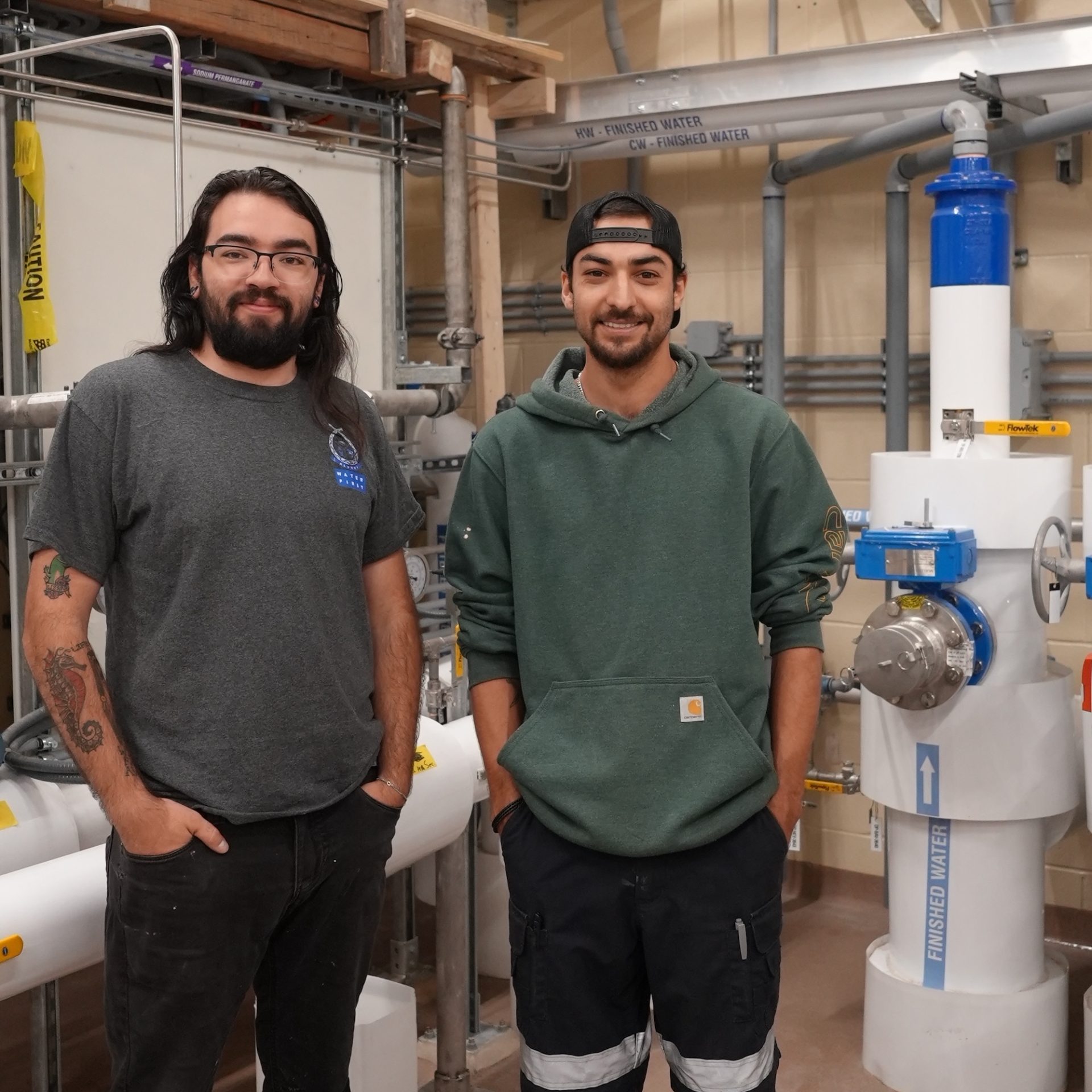
We recently visited Shawanaga First Nation, to meet with the community’s lead water operator, Dyami Tuskin and water operator Spencer Welling–both Water First Drinking Water Internship Graduates! Together, they are mentoring a current Water First Intern, Jon Eagle. Dyami says he advocated for an intern because he knew just how much the Water First program and mentorship from other water operators helped his own career. Watching this cycle continue is just one of the many capacity-building successes of the Water First Internships!
Learn more about Dyami’s journey and the need for Indigenous water operators here:
From the classroom to the community 🗺️
Ever wondered about the real-world application of Water First training?
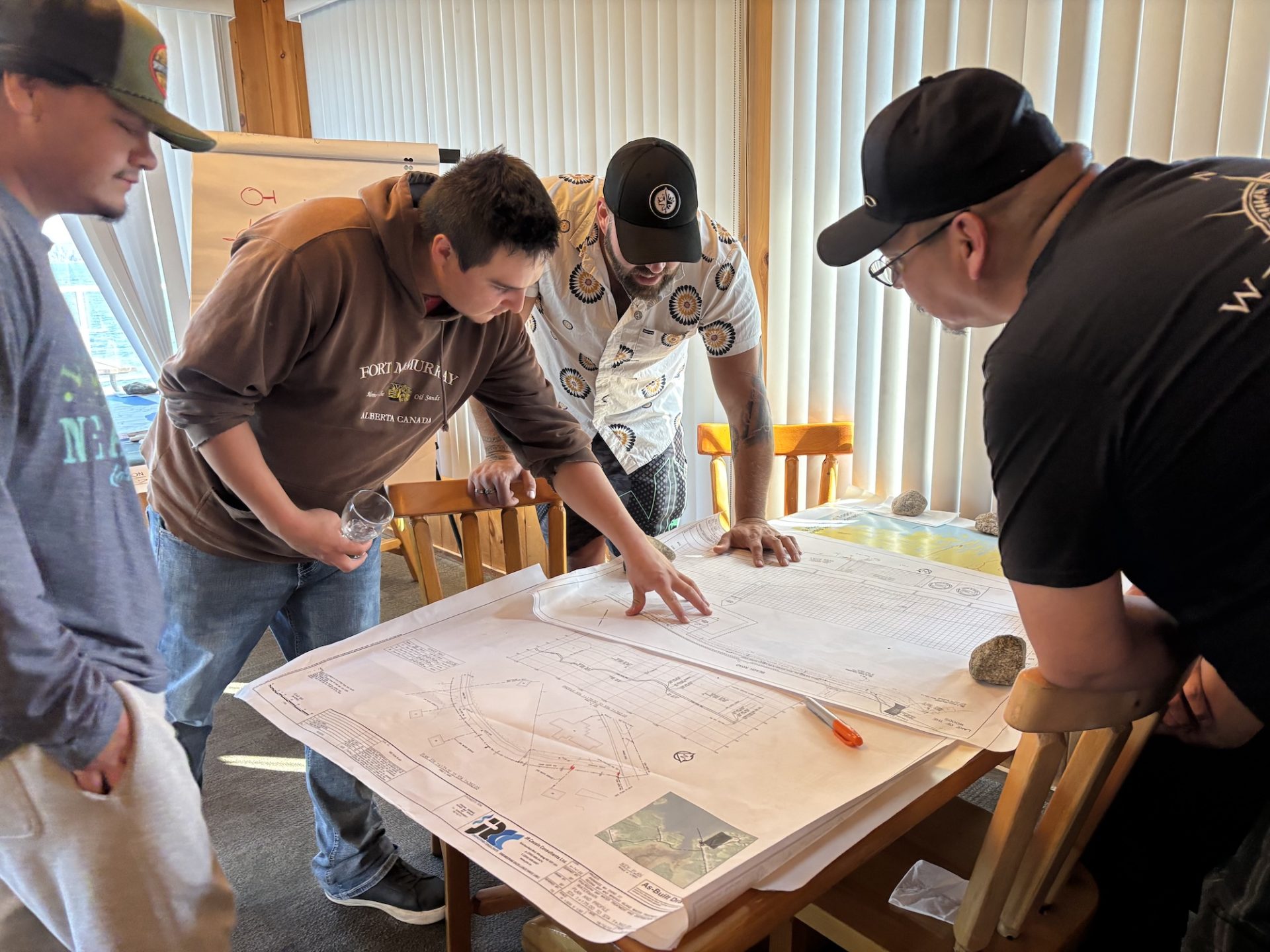
During a recent mapping and GIS workshop, the AKRC interns partnered with a local community to map hydrants and curb-stops ahead of winter. By using the same tools and technology they’ll rely on as future water operators, the interns gained practical experience while supporting important local water infrastructure.
This work is essential to maintaining and managing water systems, especially during winter months, and our interns are getting the hands-on, collaborative experience to do it!
Looking ahead 👀
Ice may be starting to form on the waterways, but that isn’t slowing our team down! We are planning for a busy spring, with World Water Day, AKRC Graduation and so much more on the way. Be sure to stay connected and up-to-date on all the exciting work Water First is doing through these bi-annual updates and our quarterly newsletters – and don’t forget to follow along on social media!
Your support helps Indigenous adults gain the skills, training, and hands-on experience needed to pursue careers in water treatment and safeguard their communities’ drinking water. Thank you for being part of this important work — we look forward to sharing more of these powerful stories and milestones with you in the year ahead.