
Water First Report Card:
An A+ Year in Review!
Summer 2024
As we wrap up another great school year, we are excited to share with you the latest updates from Water First’s School Water Program (SWP).
Delivering water workshops to schools across Canada, the Schools Program inspires and informs the next generation of Indigenous water scientists. By engaging Indigenous youth from Kindergarten to Grade 12 in hands-on STEM workshops within their home communities, we aim to prepare and motivate students to consider careers in the local water field. Water First instructors provide unique, engaging learning experiences, promote environmental conservation, and create space for Indigenous Knowledge Keepers to share their valuable insights.
2023-2024 School Water Program by the Numbers*:
*As of June, 2024
Westward waves ⬅️
Exploring water science in BC and Alberta

Venturing west, the Schools team delivered water science education in British Columbia and Alberta this school year. Visits to Squamish, the Lower Nicola Valley, Mînî Thnî, and Calgary allowed us to connect with students in new regions, immersing ourselves in local traditions, languages, and knowledge.
Throughout these visits, participants put the water science skills and concepts gained during the week into action: students from Xwemélch’stn Etsimxwawtxw (Capilano Little Ones School) in BC visited the Capilano Fish Hatchery to test out their skills. While celebrating World Water Day on the frozen Bow River in Alberta, students from Mînî Thnî Community School applied their water quality monitoring skills through a hole in the ice to measure different parameters.
A lasting impact on the team while working with students from 3 schools in the Lower Nicola Valley was the profound calm that swept over the group each time the Elder began the workshops with a prayer and spoke about the cultural importance of water. The Elder was able to join the groups throughout the week on our visits to the Coldwater River. Moments and connections like these make all the difference in a program because they tie the lessons to the local lands and weave water science theory with local Traditional Knowledge.
Adventures in ice and tides 🌊
Bringing water science workshops to Northern Ontario and Quebec
This school year, the team partnered with multiple Independent First Nations Alliance (IFNA) communities, bringing exciting water science programs to students in Kitchenuhmaykoosib Inninuwag and Pikangikum First Nation. Whether navigating the icy landscapes in January or exploring the beautiful waterways in May, every moment was filled with discovery and learning, and we are excited for opportunities to continue collaborating with the IFNA in the future.
A special highlight was our visit earlier in the school year to Kangirsuk, Quebec. The dramatic tides along the shorelines provided a unique and thrilling lesson with students at Sautjuit School. Students from Grade 5 through high school were excited to share how the tides, deeply connected to the ocean, change the rivers twice a day, creating some of the world’s most dynamic shorelines. Our short but action-packed days in Kangirsuk left us eagerly anticipating our next trip to this vibrant community.


Nature’s classroom 🌱
Outdoor adventures and cultural connections with Sioux Mountain Public School
In April, the Schools team visited Sioux Mountain Public School in Sioux Lookout, working with students in Grades 7 and 8.
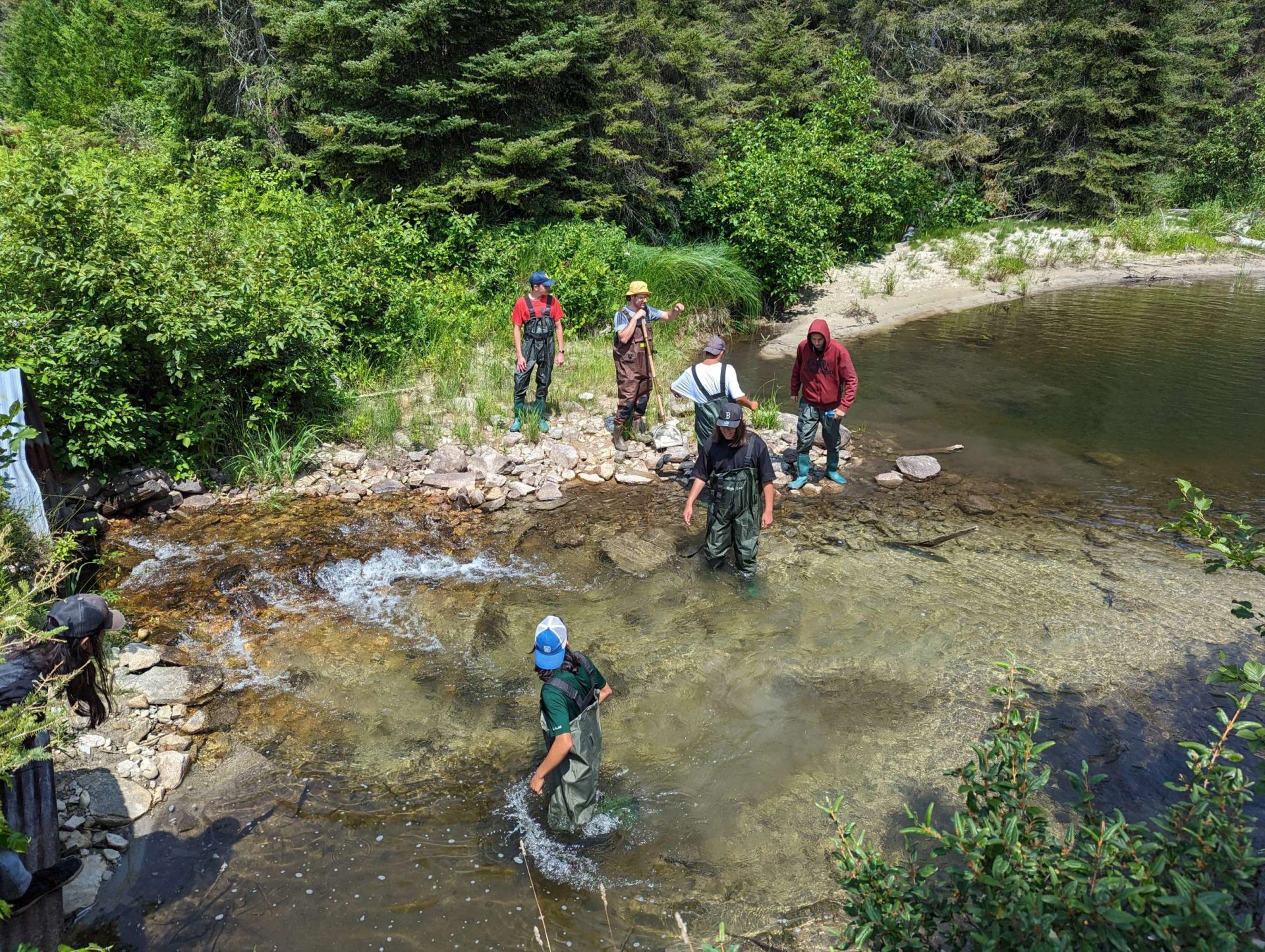
Nick, a local Elder working closely with the school, generously shared his beautiful space — known as ‘Nick’s Nest’ — with us for two days, turning the forest and creek into the perfect classroom for diving into water science concepts. A rainy day led us from Nick’s Nest to a cozy cultural room inside the school for more learning, which even included learning some Cree and Ojibwe words together.
The excitement during visits to Nick’s Nest was undeniable. Once there, it’s easy to see how naturally and comfortably the students embrace hands-on, outdoor learning.
Thanks to the Natural Sciences and Engineering Research Council of Canada for supporting this enriching experience!
Who says summer school can’t be fun? 😎
Four years of sunny studies in summer
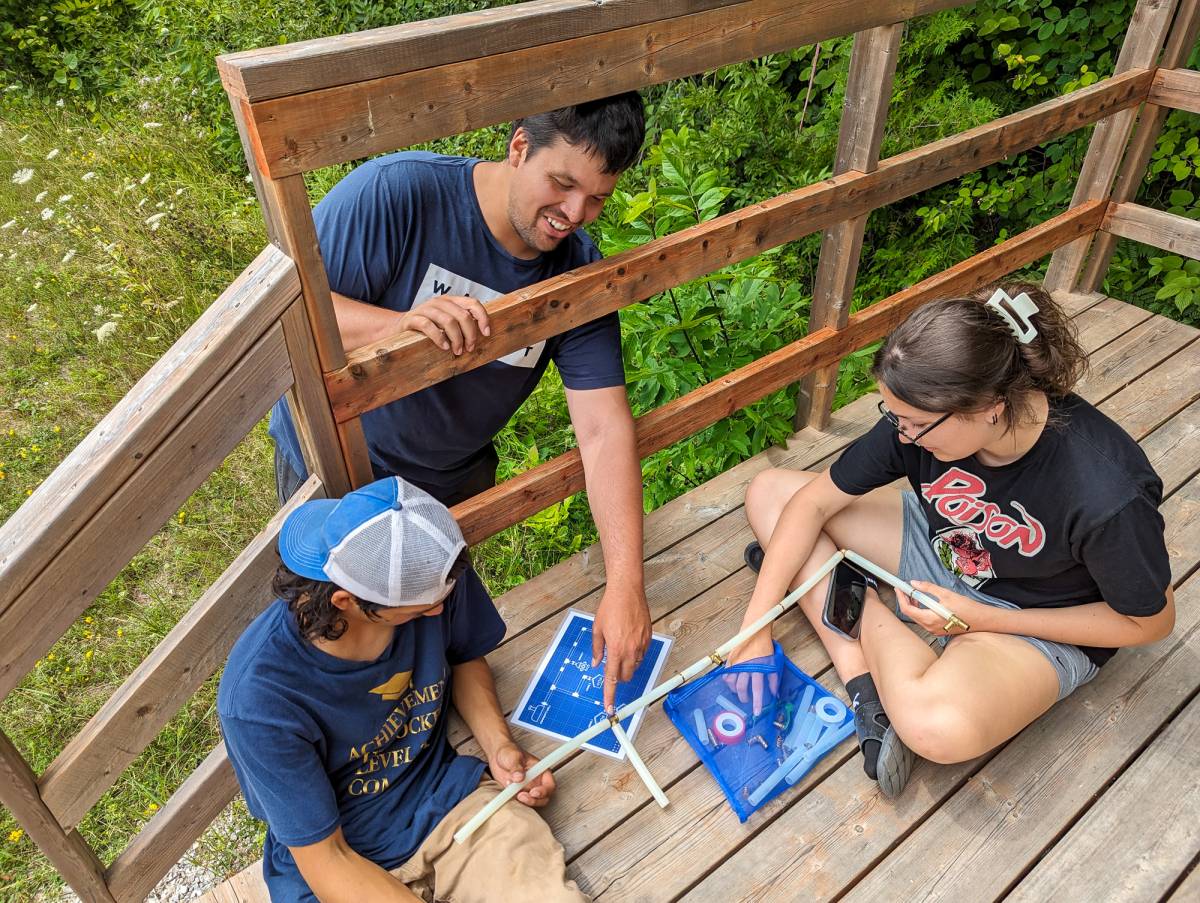
This summer marks the fourth year of delivering our Summer High School Credit Program, an opportunity for students to earn high school credits through hands-on, experiential learning that’s connected to local lands and waters.
This program — first piloted with Beausoleil First Nation in 2021 — offers an alternative to traditional classroom settings, and provides students with the opportunity to engage deeply with their environment while working towards high school credits. To date, we’ve supported participants in earning 82 high school credits, and we’re excited to see that number continue to grow.
This summer, the program is being delivered in partnership with the Chippewas of Rama First Nation and for the fourth year in a row, Beausoleil First Nation.
Celebrating Indigenous youth artists
In 2022 at the Creemore Festival of the Arts, an event organized by the Purple Hills Arts and Heritage Society, we welcomed youth artists from 7th GENeration Image Makers, an arts and media program at Native Child and Family Services of Toronto (NCFST). Trevaun Robinson and Amber Lee Eckhardt brought their stunning creations to the Water First office.
This year, on October 4-6, we are excited to be partnering again with 7th Gen to support and highlight Indigenous youth artists at the Festival of the Arts. We look forward to sharing updates from this wonderful community event.

We hope you enjoyed reading about another year of our successes and milestones.
Your donations make this vital work possible, and we are deeply grateful for your commitment to fostering environmental education and stewardship. Thank you for your ongoing support, and for helping us make a difference in the lives of these students and their communities.
