Making waves with the Environmental Water Program
Summer 2024
🚀 The Environmental Water Internship has launched!
Hands-on skills for tomorrow’s water stewards
Our brand new Environmental Water Internship (EWI) has officially launched! This marks a major milestone for Water First, building on the success of the Drinking Water Internship and introducing a fresh focus on environmental water science.
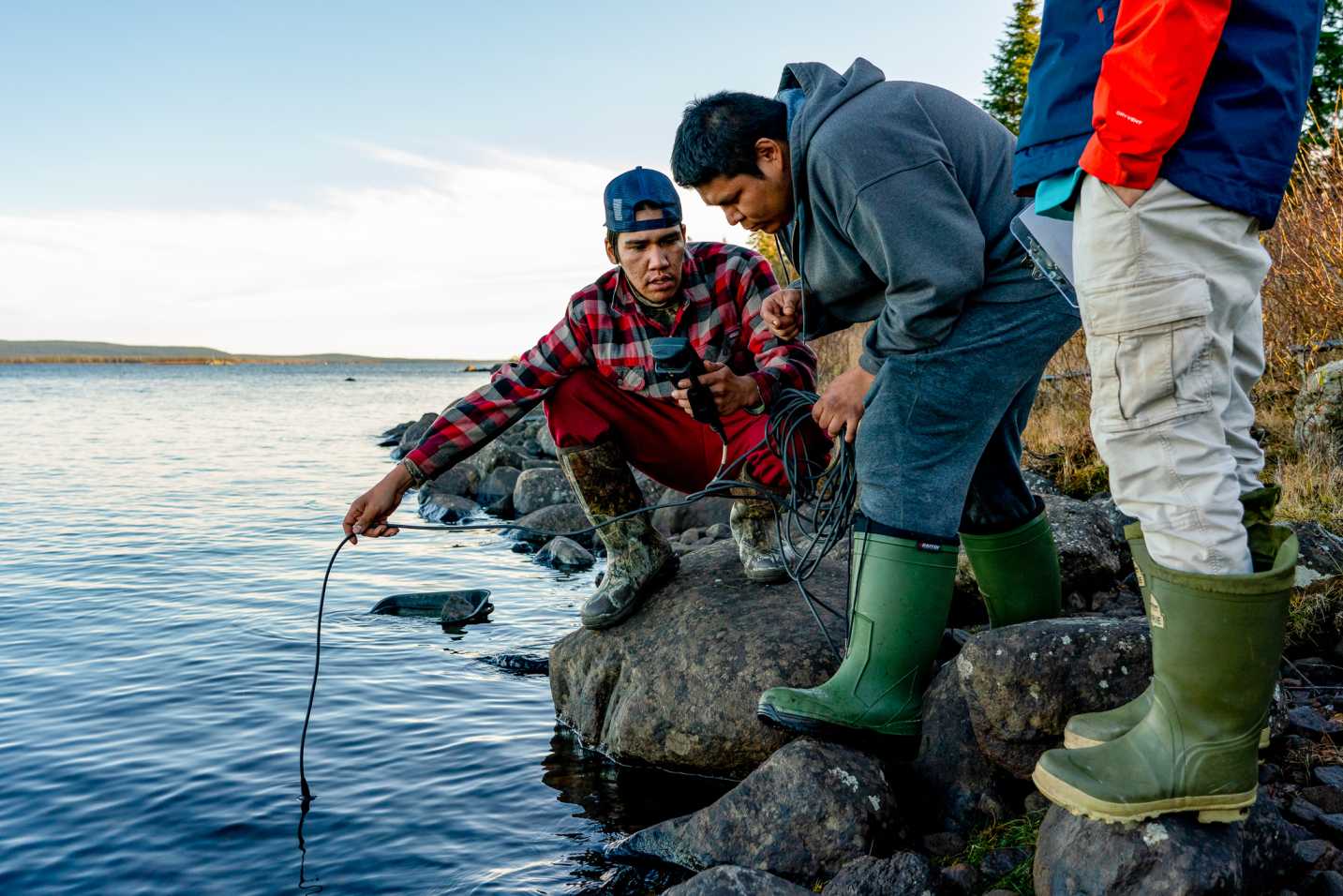
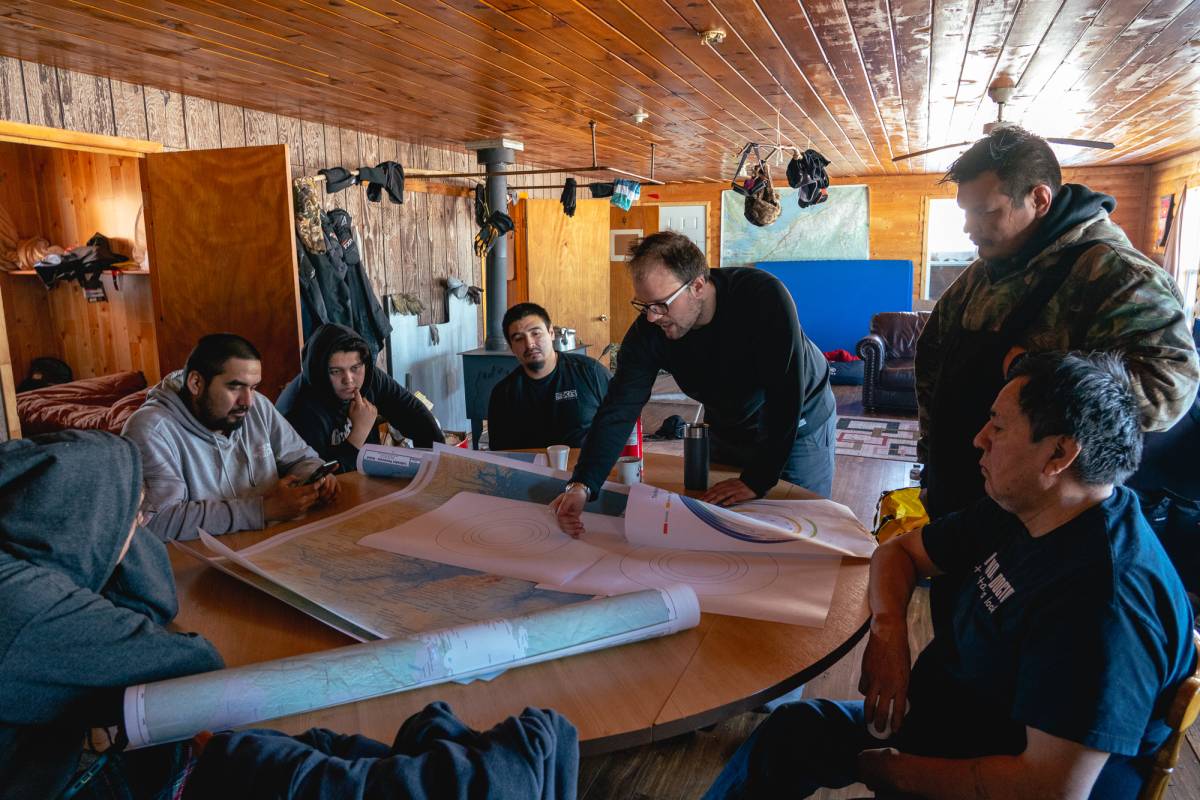
Launching this program took dedication and collaboration with community partners including Mamaweswen, The North Shore Tribal Council – with whom we are partnering to launch this new program – to ensure that it meets the real-world needs of local Lands and Resources Departments. Through the EWI, participants gain the skills and certifications needed to pursue careers in environmental water science, with a hands-on approach that gets participants out into lakes and rivers and working directly with data.
As with our Drinking Water Internship, the EWI follows a 15-month structure, featuring weeklong workshops and practical placements in the interns’ home communities. However, while the Drinking Water Internship focuses on water treatment certifications, the Environmental Water Internship offers certifications in Water Quality, Environmental Data, and Fish Conservation—all under the Water First banner.
We’re also in the process of pursuing accreditation for this program through ECO Canada’s Environmental Training Course Certification. Once completed by summer 2025, our curriculum will receive formal validation, providing our interns with certifications that carry significant weight in the industry. This partnership with Eco Canada will not only enhance the credibility of our program but also offer interns access to additional training and support.

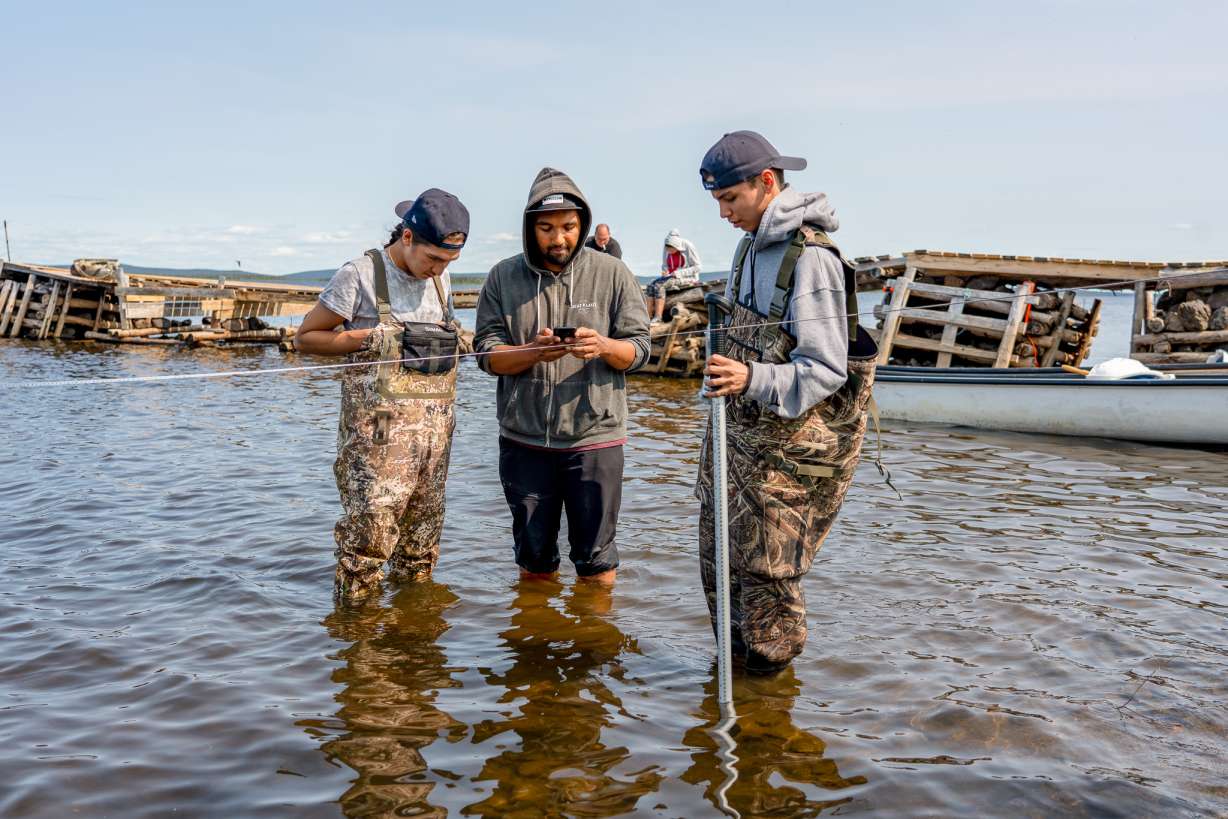
We kicked off our program with a successful Intro Week, where interns got hands-on stream assessment opportunities to familiarize themselves with key concepts. Since then, participants have been immersed in placements at their local Lands and Resources Departments. In August, participants completed their first Water Quality workshop, diving into field parameters and loggers. Next up is Water Quality 2, where interns will take a deeper dive into collecting and submitting samples for laboratory analysis and following a comprehensive water quality monitoring plan, culminating in a skills demonstration and earning a certification.
This is just the beginning, and we’re excited to see where these skilled and passionate interns will go from here!
👋🏼 Collaborations with Sheshatshiu Innu First Nation coming to a close
Training the next generation of Kanikanitet

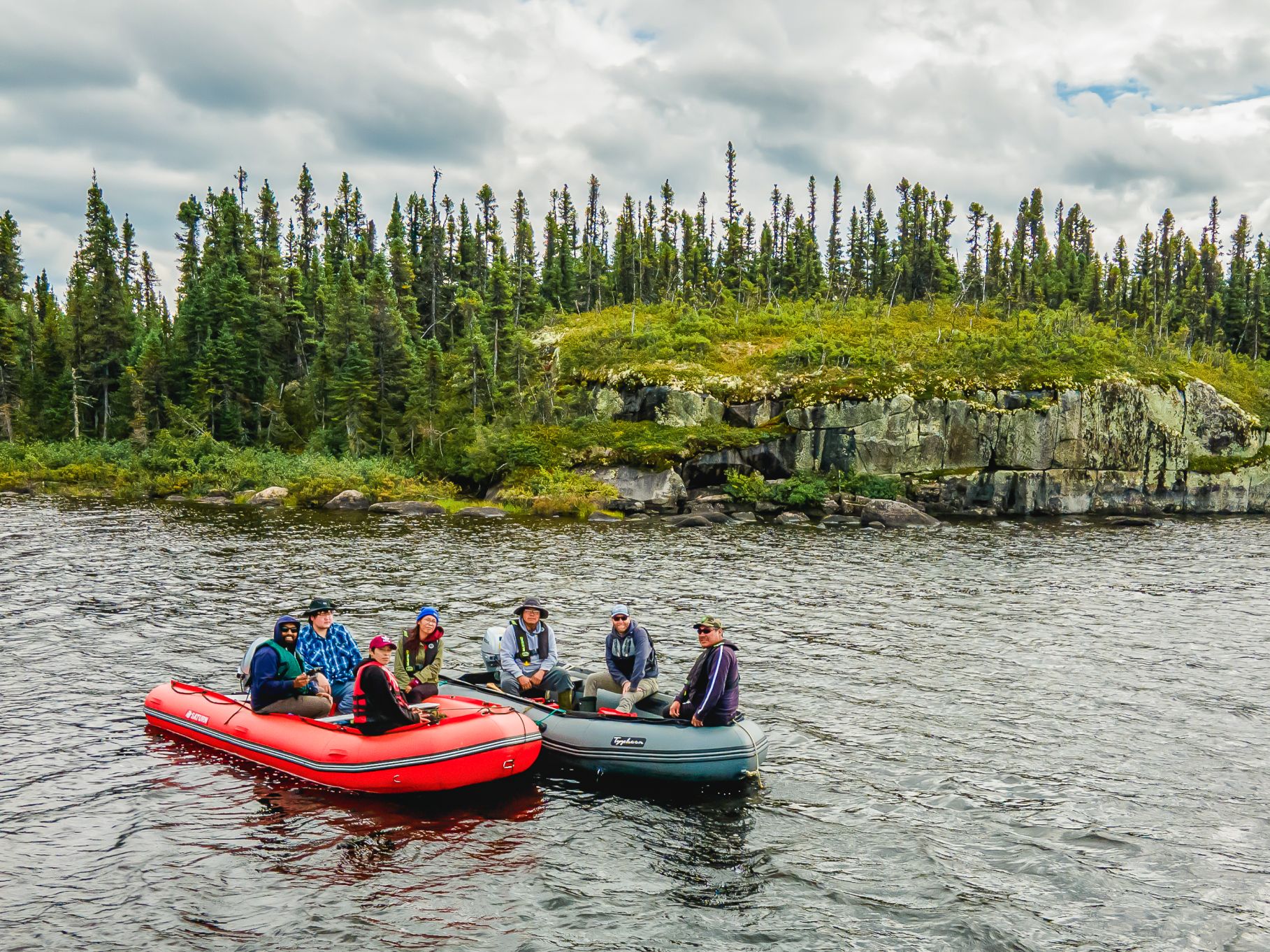
For the past four years, Water First has been collaborating with Sheshatshiu Innu First Nation (SIFN) and the University of Guelph to train the next generation of Kanikanitet (community guides) at Iatuekapau, also known as Park Lake. This work is set in the traditional territory in the headwaters of the Eagle River, within Akami-Uapishkᵁ-KakKasuak-Mealy Mountains National Park Reserve.
As part of SIFN’s Mealy Mountain Lodge Project, focussing on developing adventure tourism and educational opportunities, Water First has been supporting the technical capacity-building of the Kanikanitet to establish a fish and climate monitoring program. This collaboration has led to the development of a long-term climate and fisheries monitoring plan for Iatuekapau.
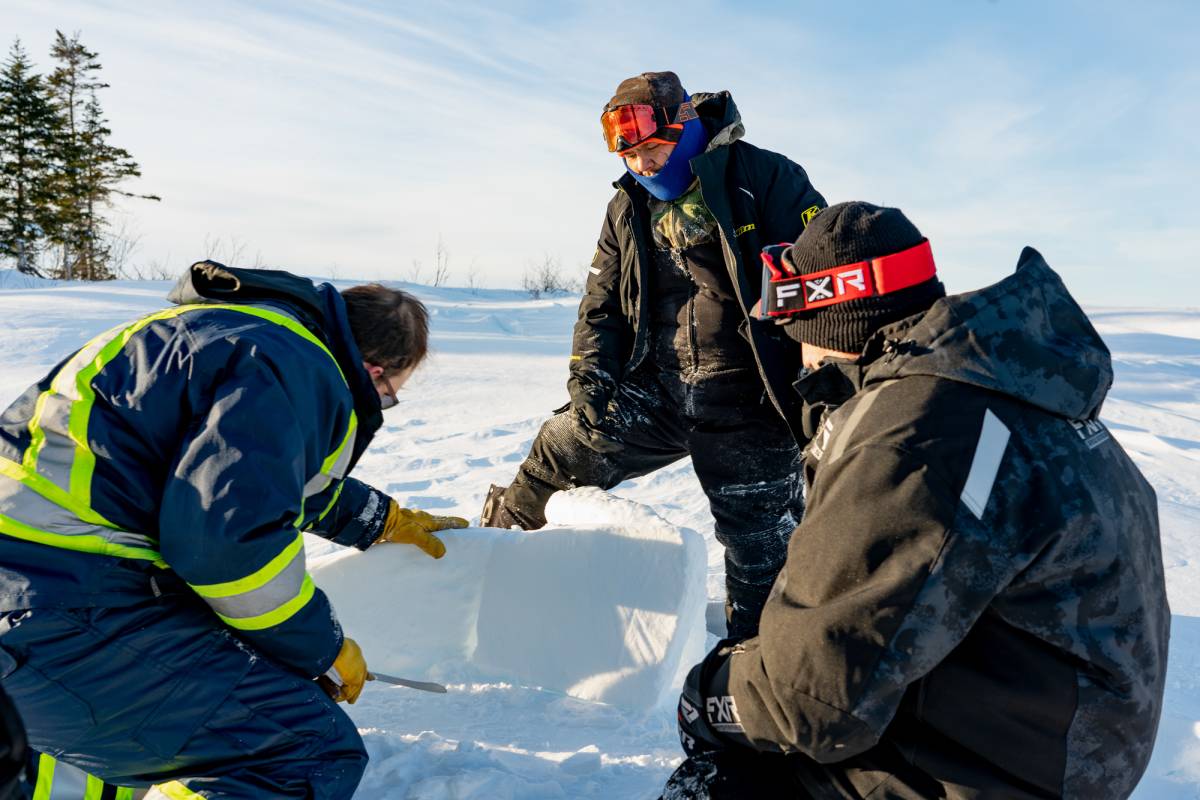
Over the past four years, we’ve delivered workshops in water quality, fisheries, weather, climate, and winter monitoring. Each workshop has also provided a valuable space for knowledge exchange between the Kanikanitet and the community’s knowledge keepers, who have led their own sessions.
We’re proud to share that SIFN project lead, Atshapi Andrew, has been nominated for a Water Canada Award in the Water Steward of the Year category. This recognition highlights the significance of the work being done.
Looking ahead, Water First, SIFN, and the University of Guelph are committed to ensuring that the capacity and support are in place to continue climate and fisheries monitoring beyond the duration of the grant. In June 2024, we met with the University of Guelph and SIFN to discuss how to ensure a smooth transition after the program’s completion.
⏩️ Shaping the future of water science training
Growing well to improve program delivery
The Environmental Water team has been hard at work, not only developing and delivering our new Environmental Water Internship, but also looking at how we approach training programs for communities. In an effort to continuously improve, we are reviewing our delivery of technical, community-based training, and making improvements to better meet the needs of our partners.
In the past, we’ve responded to community requests on a case-by-case basis, tailoring our training to specific priorities. We have now identified key training themes that will guide us moving forward. These improvements will help us offer more effective programming and ensure our community partners have a clear idea of how Water First can support their environmental goals. Stay tuned for more on our continuous growth, development and improvement journey!

We hope you enjoyed reading about another year of successes and milestones.
Your donations make this vital work possible, and we are deeply grateful for your commitment to fostering environmental education and stewardship.
By giving today or becoming a monthly donor, you can help ensure that these programs and partnerships can continue!