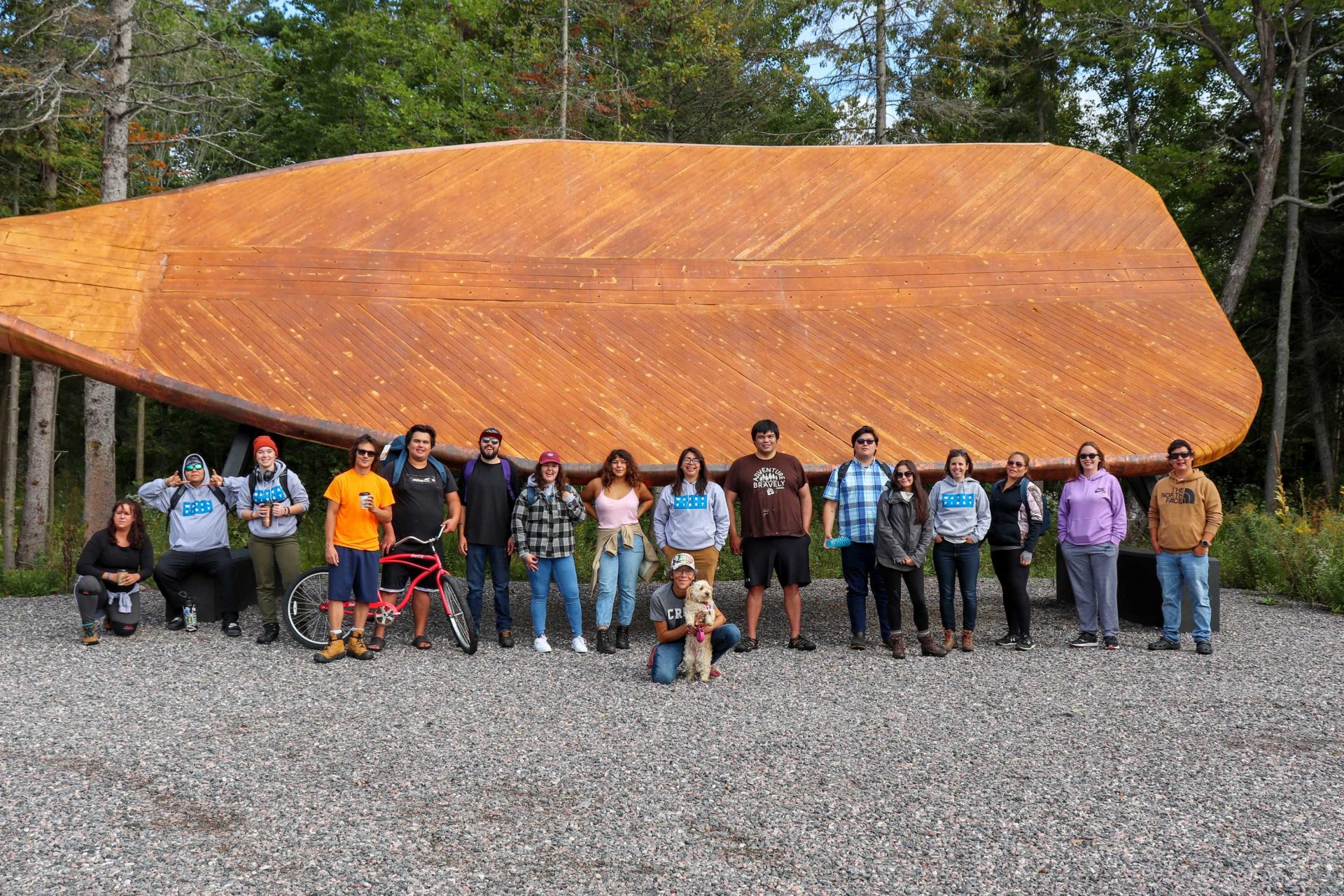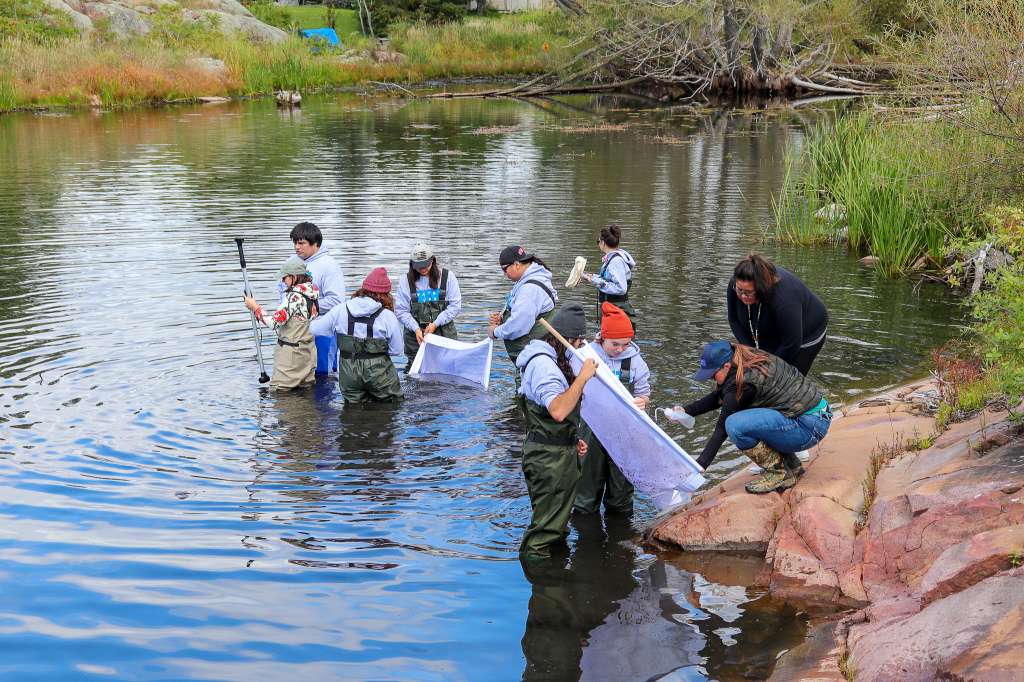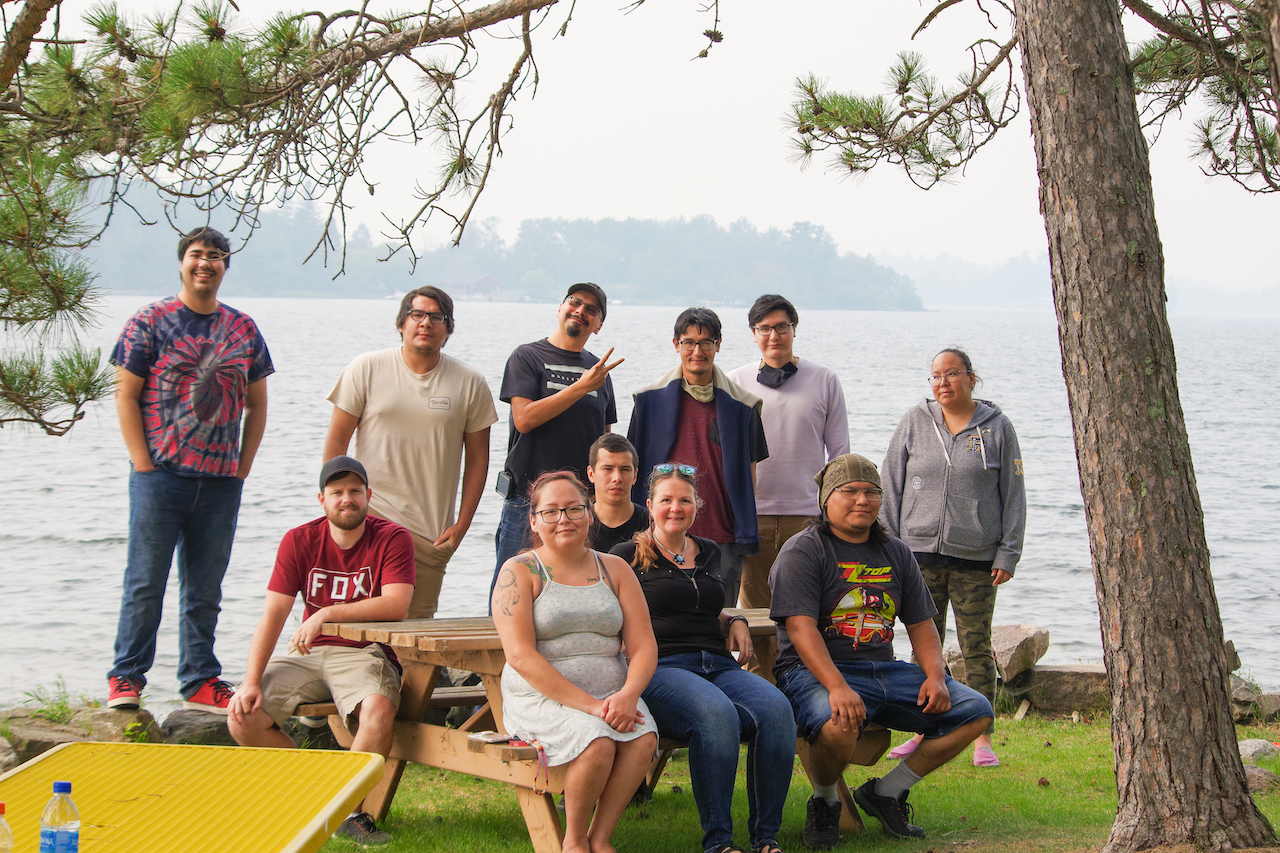
"Clean and safe drinking water is very important and a must for our communities. New technology and a new generation of trained individuals will enrich the communities and provide advancement and growth within. Congratulations to all of the graduates, who have demonstrated a true dedication to learning, a passion for water, and a commitment to themselves and their communities. I know they will go on to achieve more great things."
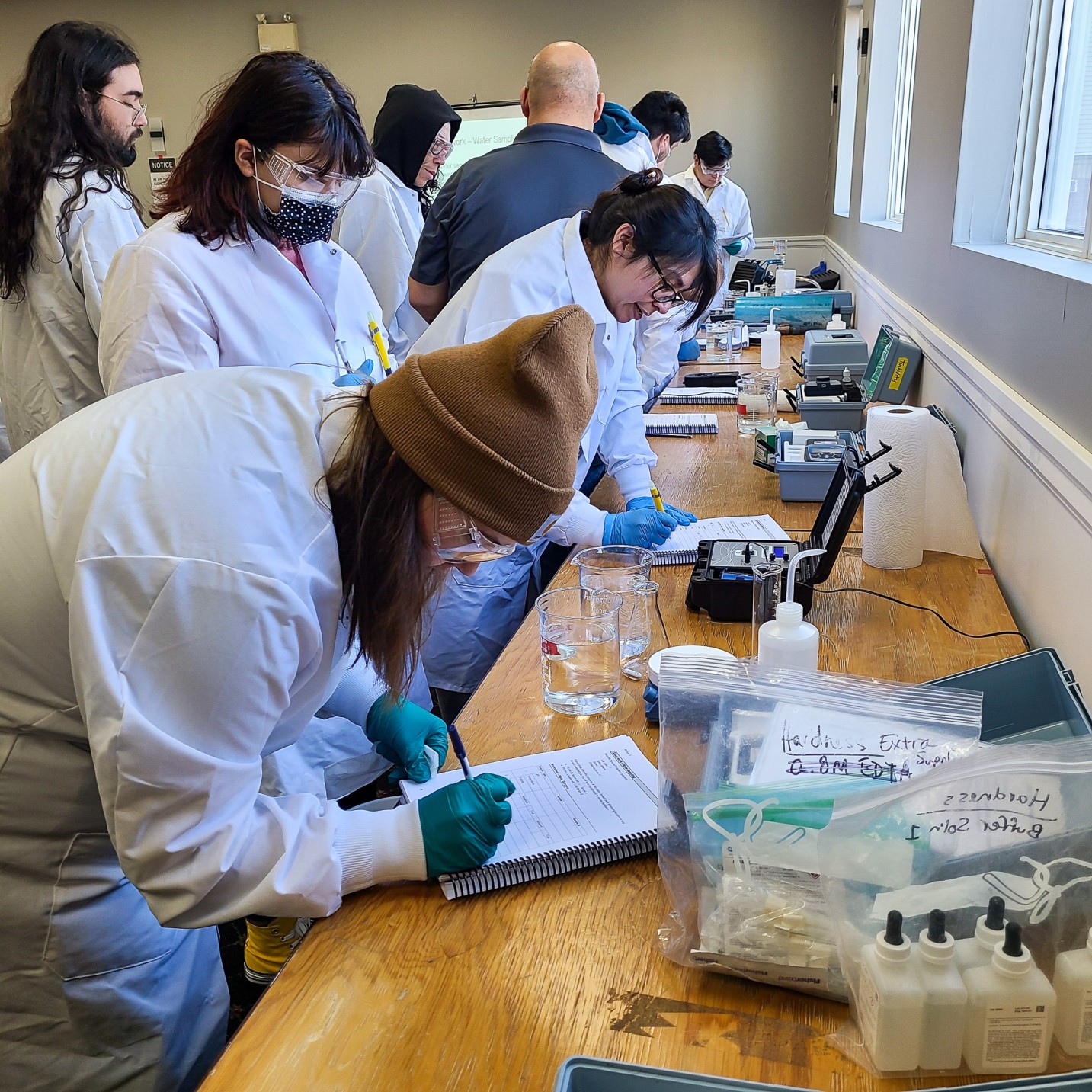
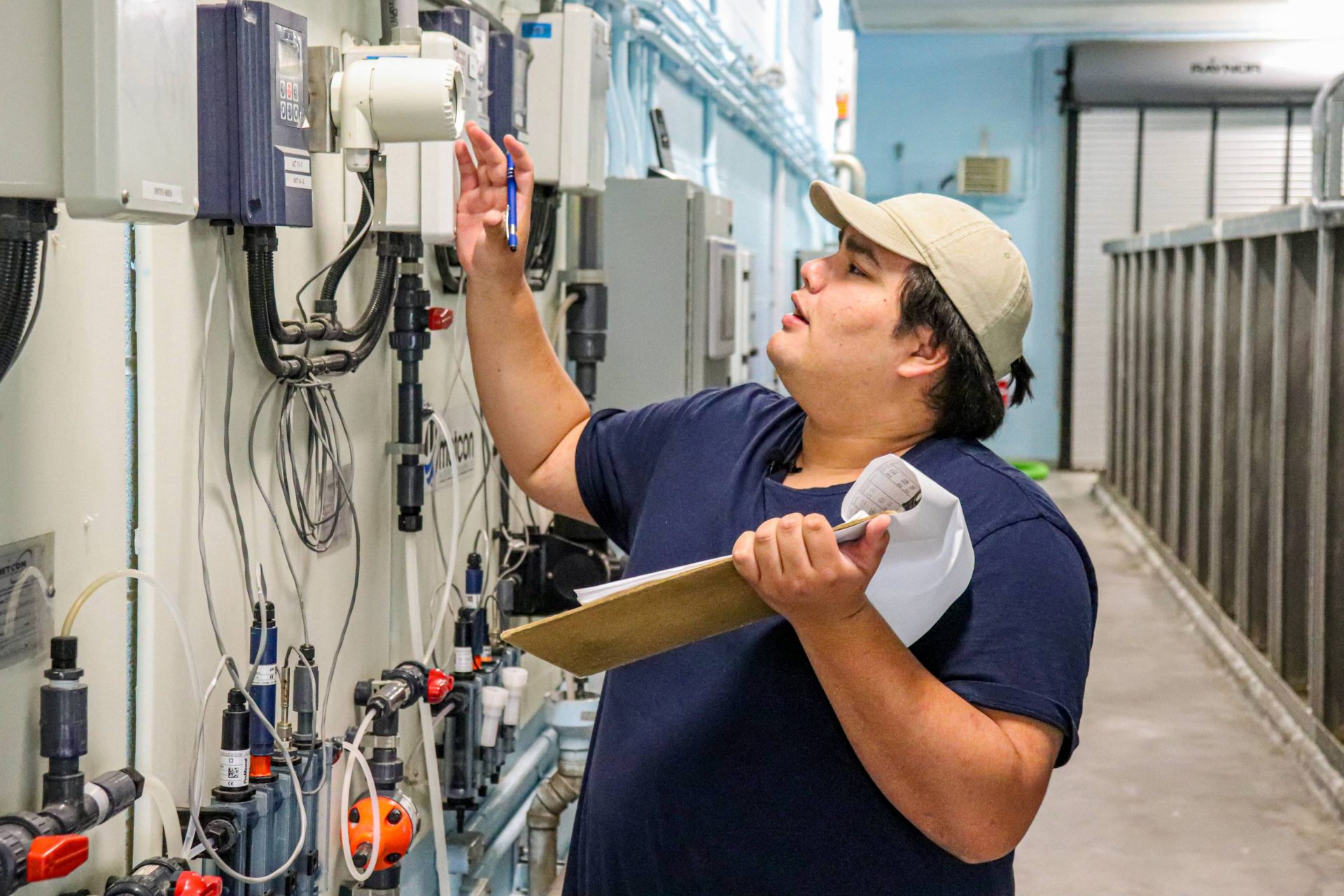
“The Drinking Water Internship Program not only supports interns in building the skills to become water treatment plant operators — it also gives them exposure to water science as a whole and opens up an entire world of opportunity. It's been so rewarding to work with the Georgian Bay interns and see their skills and confidence increase. I wish them all the best for the future, and look forward to seeing them as part of the alumni network.”
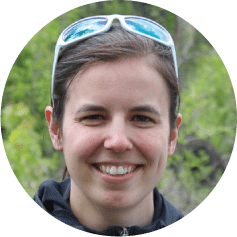
“I’m doing this for me to have more meaningful, stable employment opportunities. I’m doing this for my family and community, who rely on water operators on reserve to provide safe, clean drinking water.”
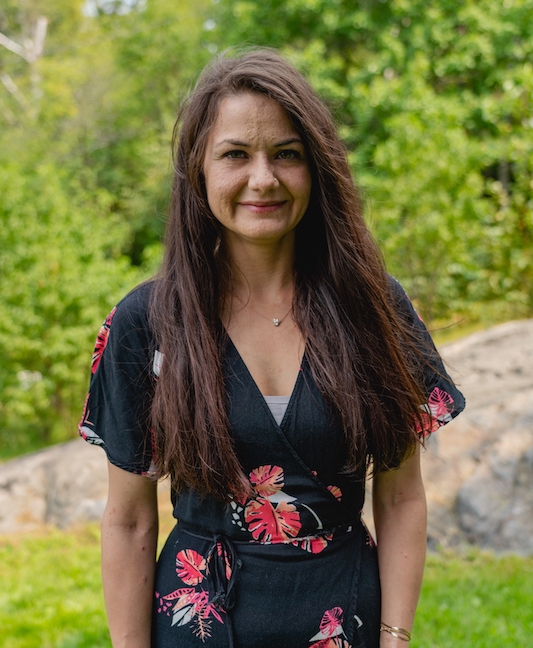
“The Water First internship program means a lot to me, because it’s given me the opportunity to become a second-generation water operator. My mother is the Overall Responsible Operator at the Wasauksing water treatment plant, and I got to grow up watching her in the lab, doing cool stuff — and now I get to do everything side-by-side with her. The internship helped me understand what she does for the community.”