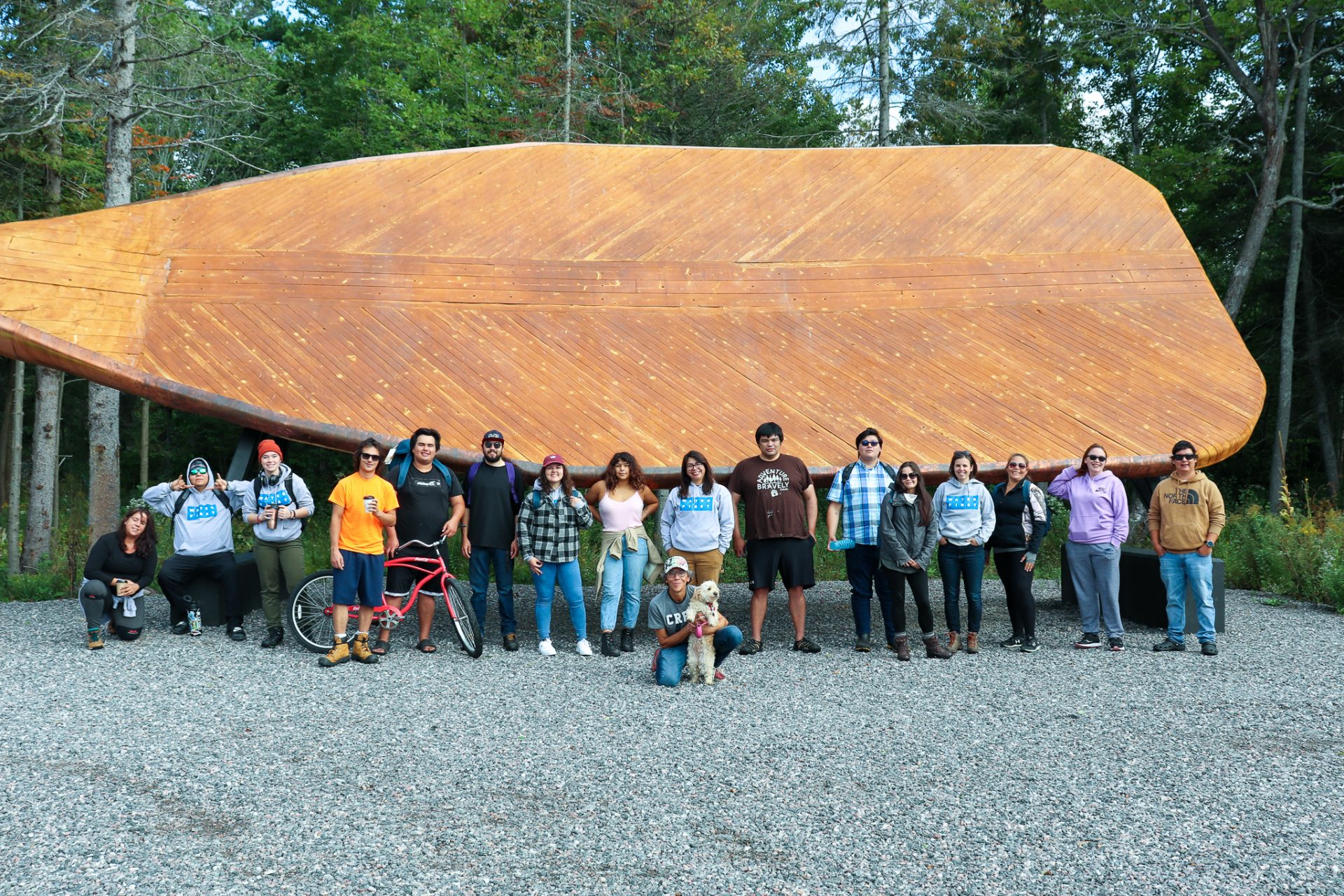
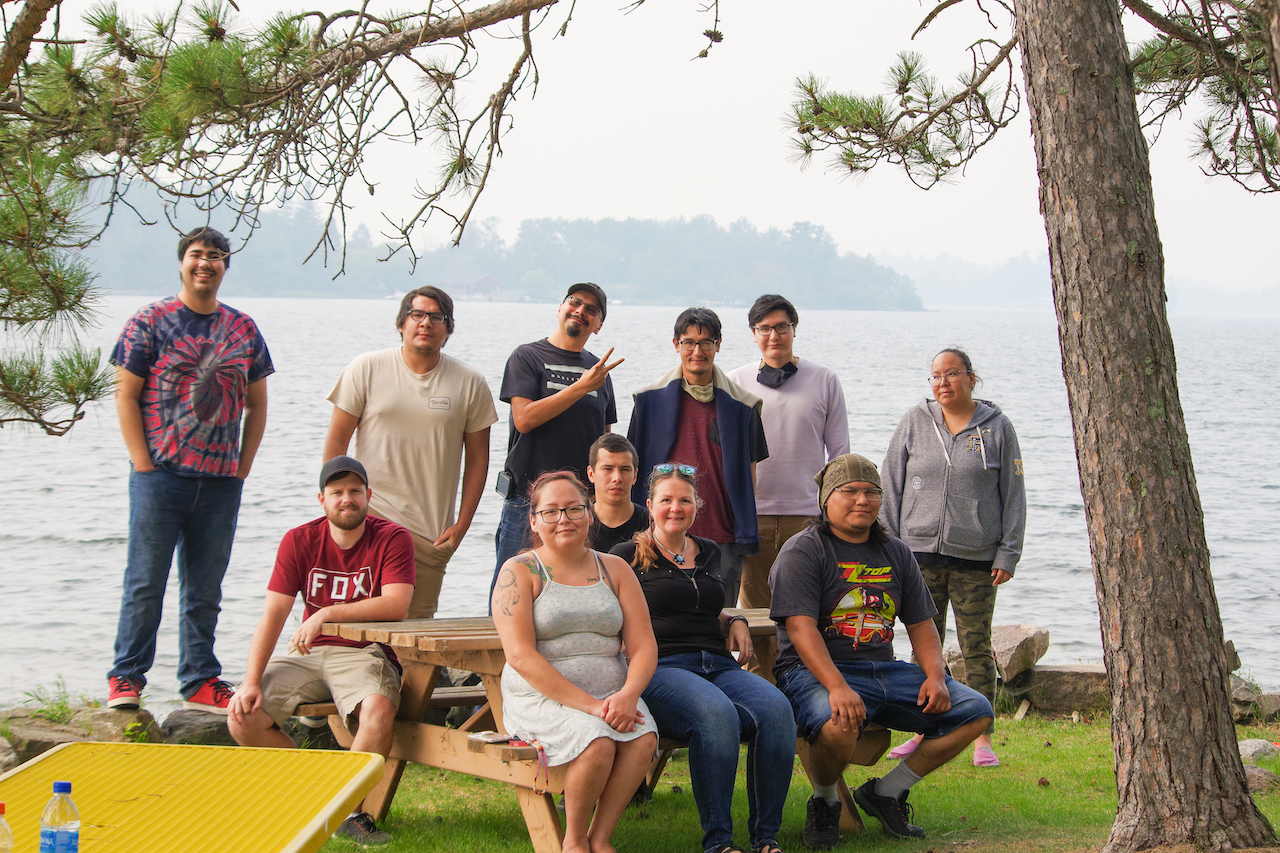
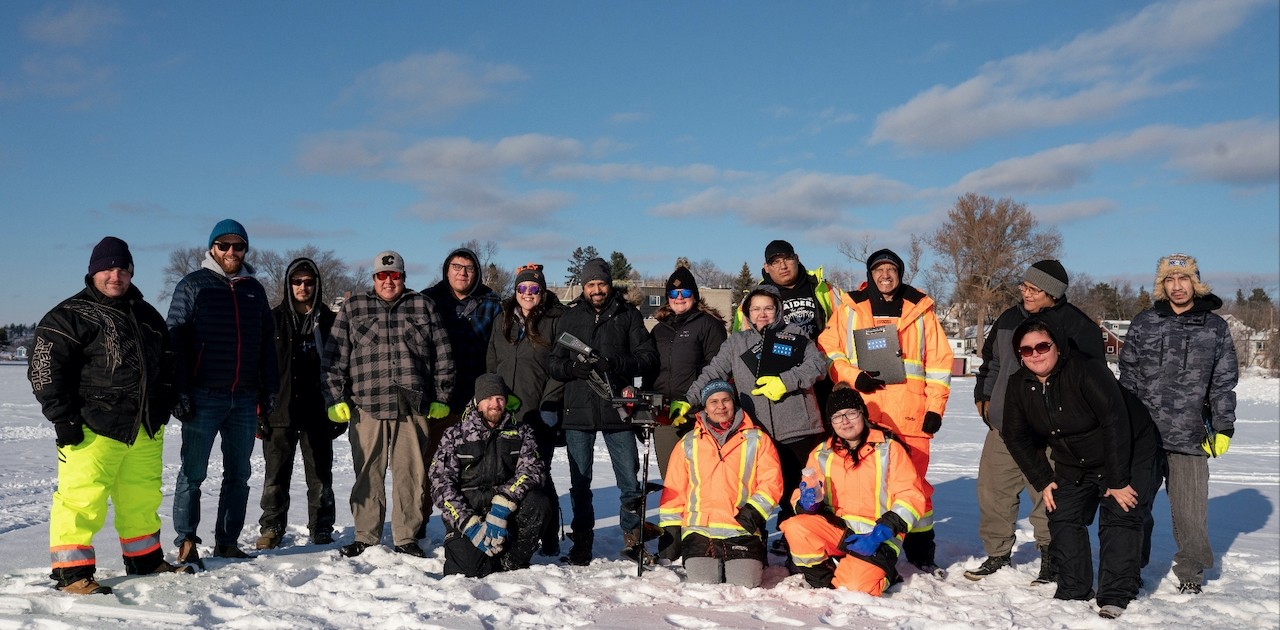
Students from Beausoleil First Nation and Sagamok First Nation explore watershed health and water quality.
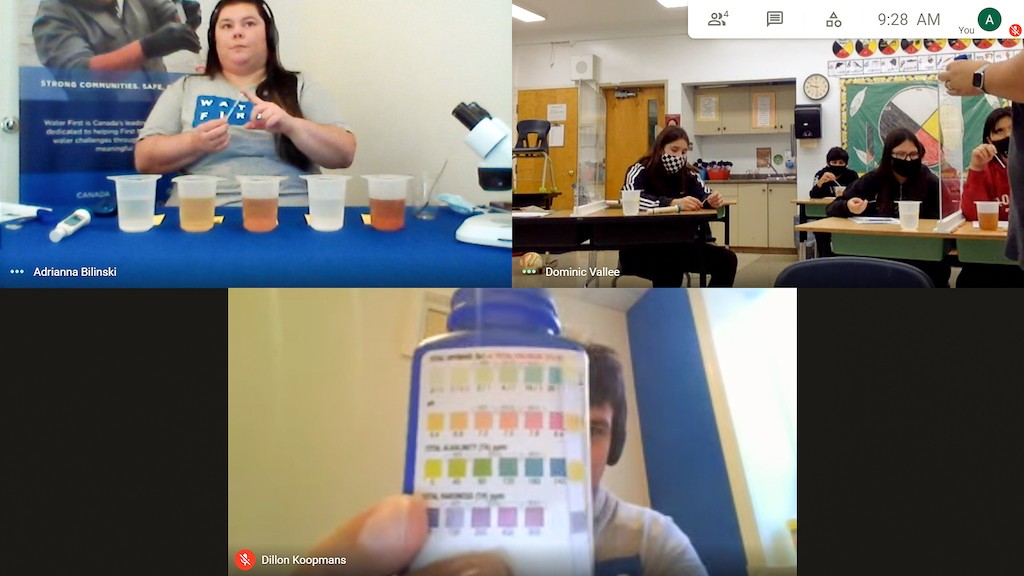
Toronto, ON – July 26th, 2021 – World Nature Conservation Day (July 28th) underscores the need for more opportunities to empower Indigenous youth to cultivate interest in and develop a passion for, water science. With a Seed grant of $71,700 from the Ontario Trillium Foundation (OTF), Water First has been inspiring and engaging Indigenous students to become future water scientists. Through consultation with Indigenous community partners, Water First has delivered a series of in-person and virtual conservation workshops to explore watershed health and water quality through experiential and project-based learning.
Recognizing the grant, Michael Mantha, MPP for Algoma-Manitoulin stated, “I am quite excited to observe the stages of this outstanding initiative moving forward. I have long admired the understanding, respect and connection that Indigenous Elders have passed down to youth throughout the ages. We all must understand that water-is-life. Knowing that there is support for our youth to be educated and encouraged to step up and take an active role is truly outstanding.” MPP Mantha explained that “by ensuring Ontarians will always have access to a healthy and sustainable source of clean water, it gives all of us reason for hope for a better future.”
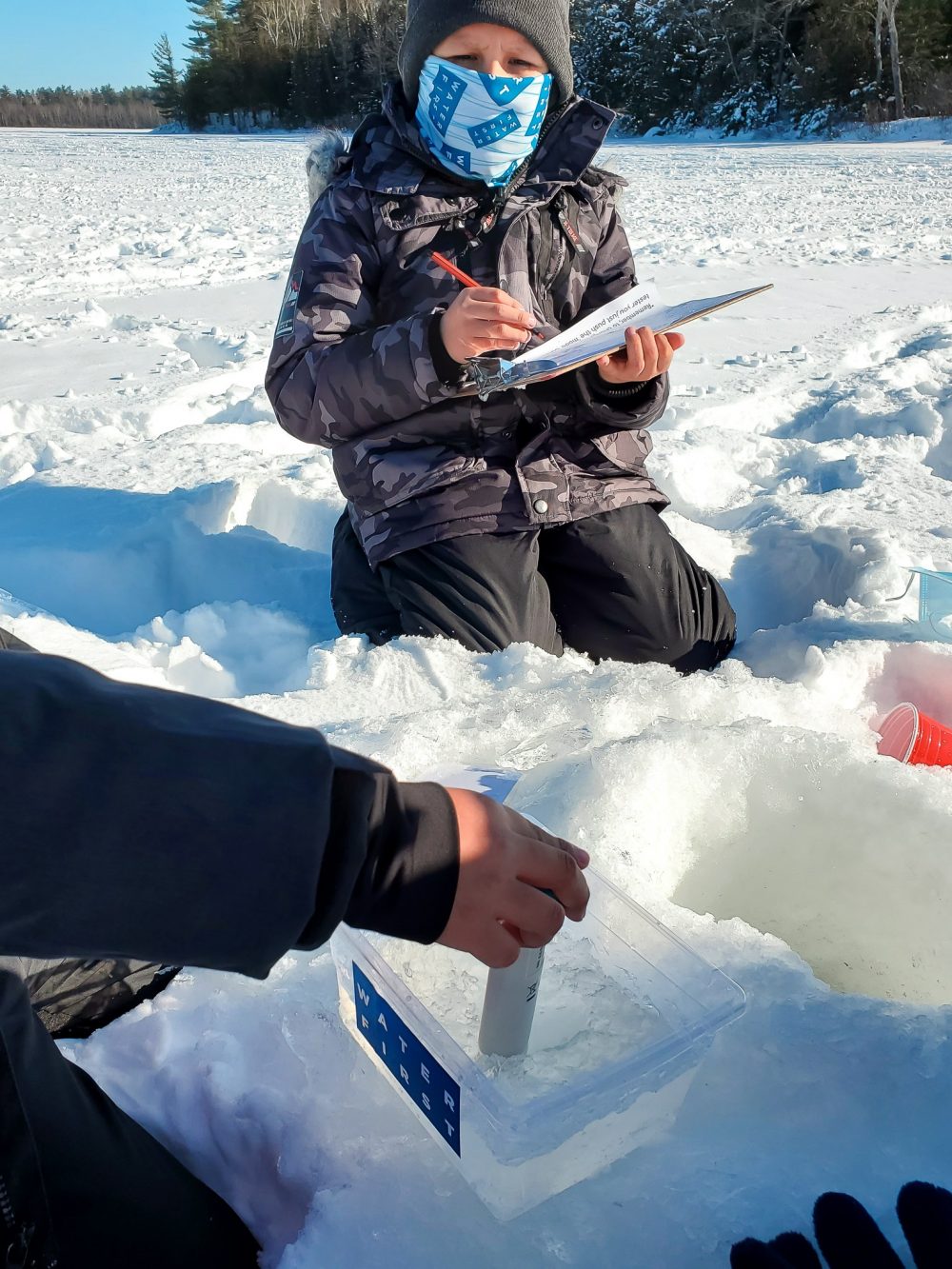
The OTF grant’s impact is tremendous in the community with the organization delivering over six weeks of in-person and virtual water science programming to 120 students from Christian Island Elementary School in Beausoleil First Nation and Biidaaban Kinoomaagegamik School in Sagamok First Nation. From November 2019 to March 2021, Indigenous students had the opportunity to learn about hydrology and watershed ecology while further developing their relationships with water and their lands.
“Even before the first workshop, we were really excited with all of the breadth of learning resources that were provided,” shared Lindsay Lefebvre, grade six teacher at Biidaaban Kinoomaagegamik School. “Water First delivered a great program in a challenging time to deliver engaging learning experiences.”
Certified educators at Water First have developed programs that create opportunities for students to strengthen their relationships with the environment, and to foster a love of education and water science. Designed for learners from kindergarten to grade 12, Water First delivers hands-on STEM workshops that explore local curriculum-based water science concepts. Students spend time on the land and in the classroom exploring a broad range of water quality factors, including any specific local water health concerns and relevant Traditional Ecological Knowledge. They also learn about the role they can play, as students and as young professionals, in protecting their water resources.
“With the underrepresentation of Indigenous youth voices in the water sciences here in Canada and the water challenges faced by many of these communities, it is critical that we offer Indigenous students the most impassioned, empowering, thorough and exciting water science education learning opportunities possible,” said Dillon Koopmans, Water First Educational Programs Manager.
Indigenous communities and schools are encouraged to reach out to Water First to learn more about our Indigenous School Water Program.
The Ontario Trillium Foundation (OTF) is an agency of the Government of Ontario, and one of Canada’s leading granting foundations. OTF awarded $115 million to 644 projects last year to build healthy and vibrant communities in Ontario.