
The Water First Operations Hub will serve as a centre of effective coordination supporting partnerships with Indigenous communities from coast to coast to coast.
Water First is excited to announce plans for a new Operations Hub based at 10 Francis Street East in Creemore, Ontario. The Water First Operations Hub will serve as a centre of effective coordination supporting partnerships with numerous Indigenous community partners each year. The Creemore-based Operations Hub will provide vital space for equipment coordination, distribution, and storage, as well as vehicle and boat parking, office space, and stability for the organization.
As an organization, we have unique needs based on collaborations in education and technical skills training projects with Indigenous communities. As operations have expanded, the amount of technical water science equipment and teaching aids required for programming has also grown. As a result, our current office space is no longer suited for managing proper equipment coordination, maintenance, distribution, and storage. In response to the growing reality of increased work from home opportunities and more remote staff joining the team, the new Operations Hub will have reduced office space and increased space for equipment coordination.

Decision made after consulting stakeholders
Over the past year, we consulted with many donors, community supporters, and volunteers on establishing an Operations Hub. Through strategic investment, our new space will better meet the unique needs of our organization and accommodate future expansion plans. In the coming months, Water First will be launching a capital campaign to raise funds for building renovations and capital costs.
“Water First is investing in the Creemore area to support scaling our programs to meet the needs of any Indigenous community in Canada seeking a partnership with us,” shares John Millar, Water First executive director and founder. “We have seen a number of location changes as the organization has grown over the past 13 years. The new Operations Hub will provide important equipment coordination space, room for growth, and also stability to many local staff in the area. We look forward to sharing the vision for this new space with our Creemore neighbours and supporters in the near future.”
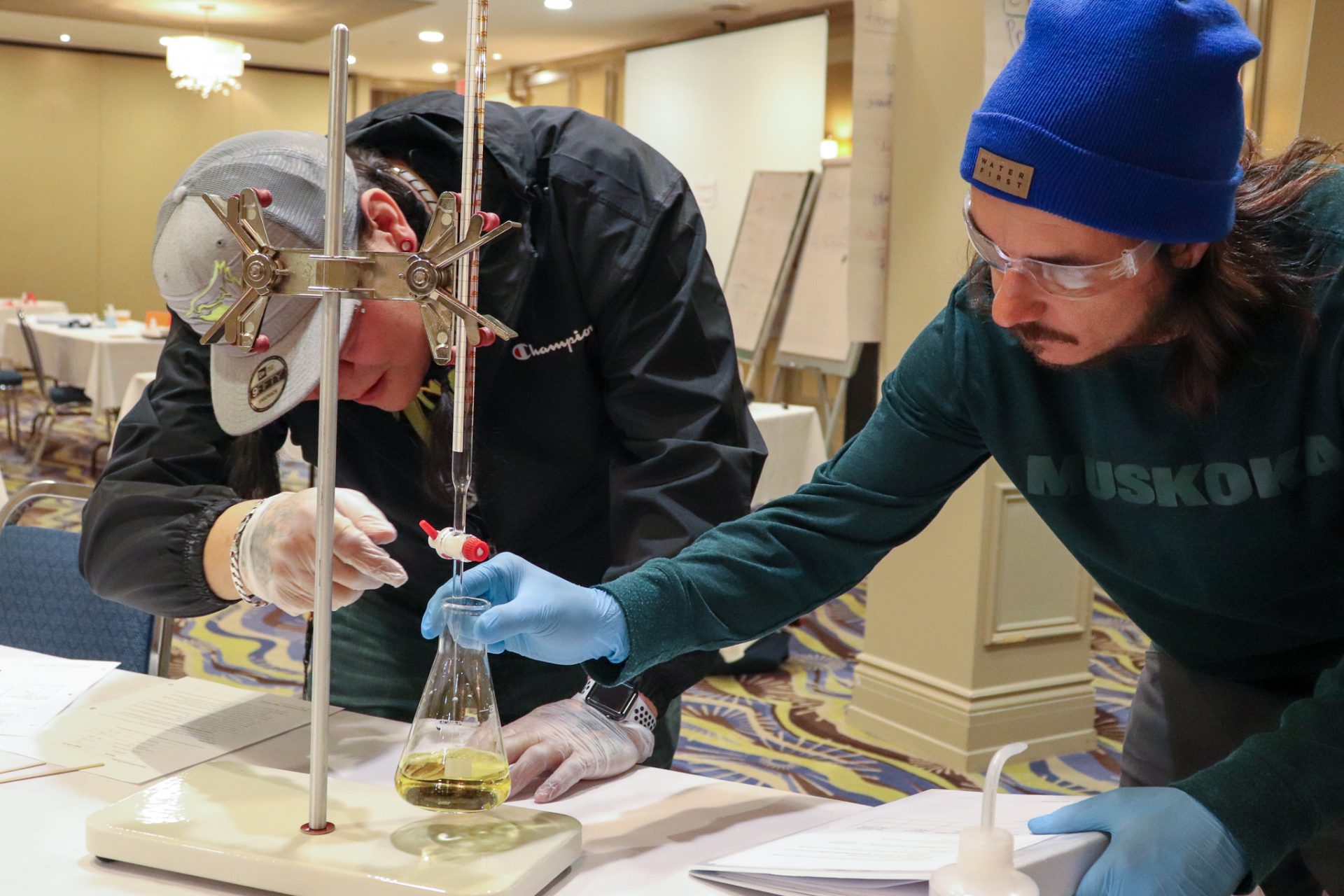
What was once a small charitable nonprofit organization, Water First is now a thriving and expanding organization with over 30 staff. To date, we have collaborated with 60 Indigenous communities across Manitoba, Ontario, Quebec, and Labrador, and are in discussions with many potential community partners across the country to explore sustainable and collaborative water solutions.


