Home / Taking Water Quality Testing to the Great Outdoors
Taking Water Quality Testing to the Great Outdoors
In June of 2021, the Drinking Water Internship with Waabnoong Bemjiwang Associations of First Nations began, in partnership with Gezhtoojig Employment & Training, Anishinabek Nation and all the participating communities began. Since then, the cohort of interns have been busy studying, writing provincial certification exams and working in their local water treatment plants.
The Drinking Water Internship program includes a week of training on the Introduction to Environmental Water.
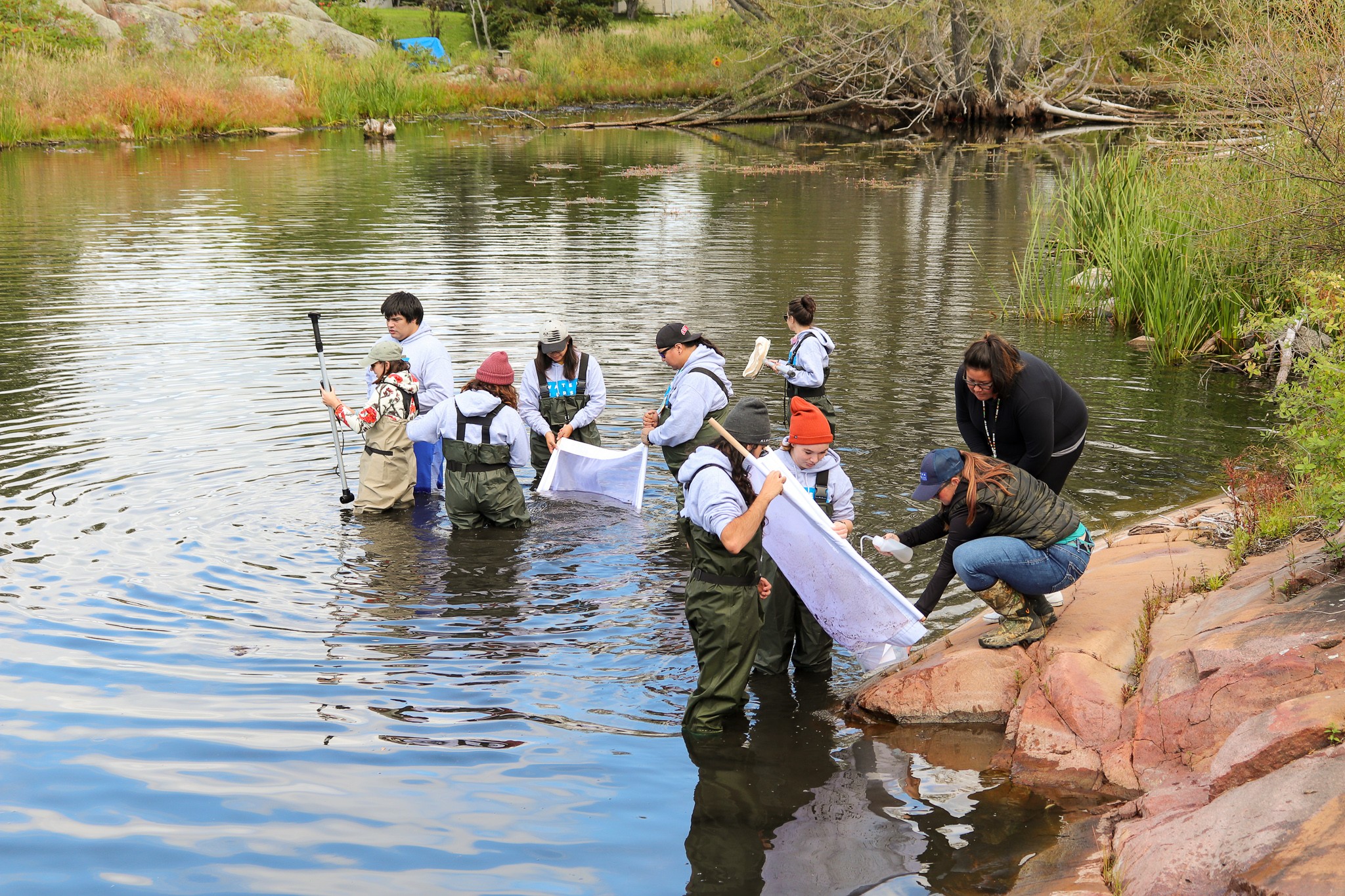
Interns practiced with equipment that gathers data to assess stream health and collected bugs in the water. The kinds of bugs they found can be linked to overall water quality.
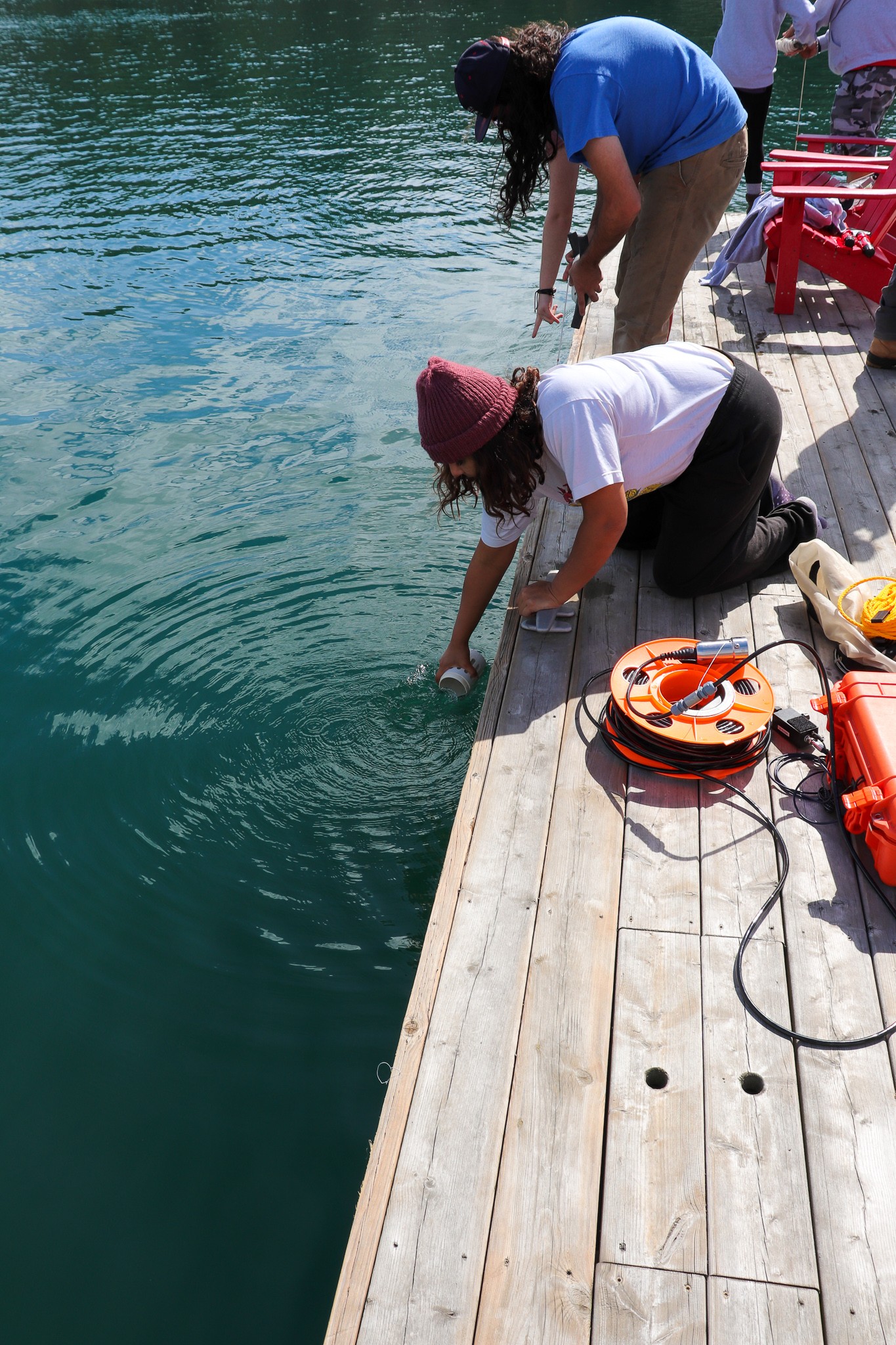
Interns practiced how to use equipment for collecting water samples at various depths in the water column.
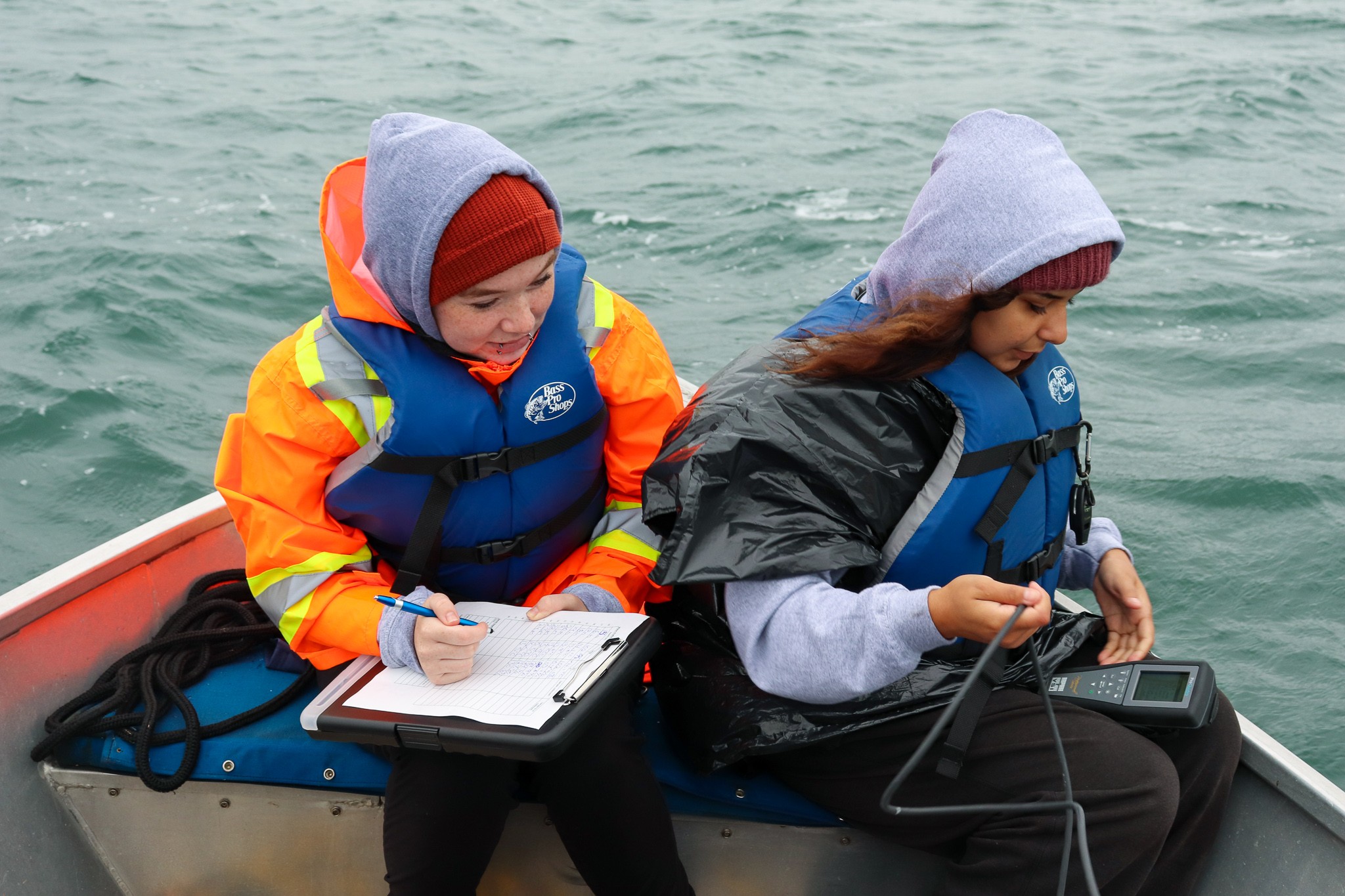
Nick and Destiny collected water quality data from the boat using a YSI - they tested for pH, conductivity, dissolved oxygen and temperature.
Interns went on a boat tour and learnt about the petroglyphs in the area and the history behind them. Justin, one of the Water First instructor, invited his grandmother on the excursion. She lives in Whitefish River First Nation and grew up in Wiikwemkong, very close to Killarney. She shared what she knew about the history of the petroglyphs and the surrounding area.
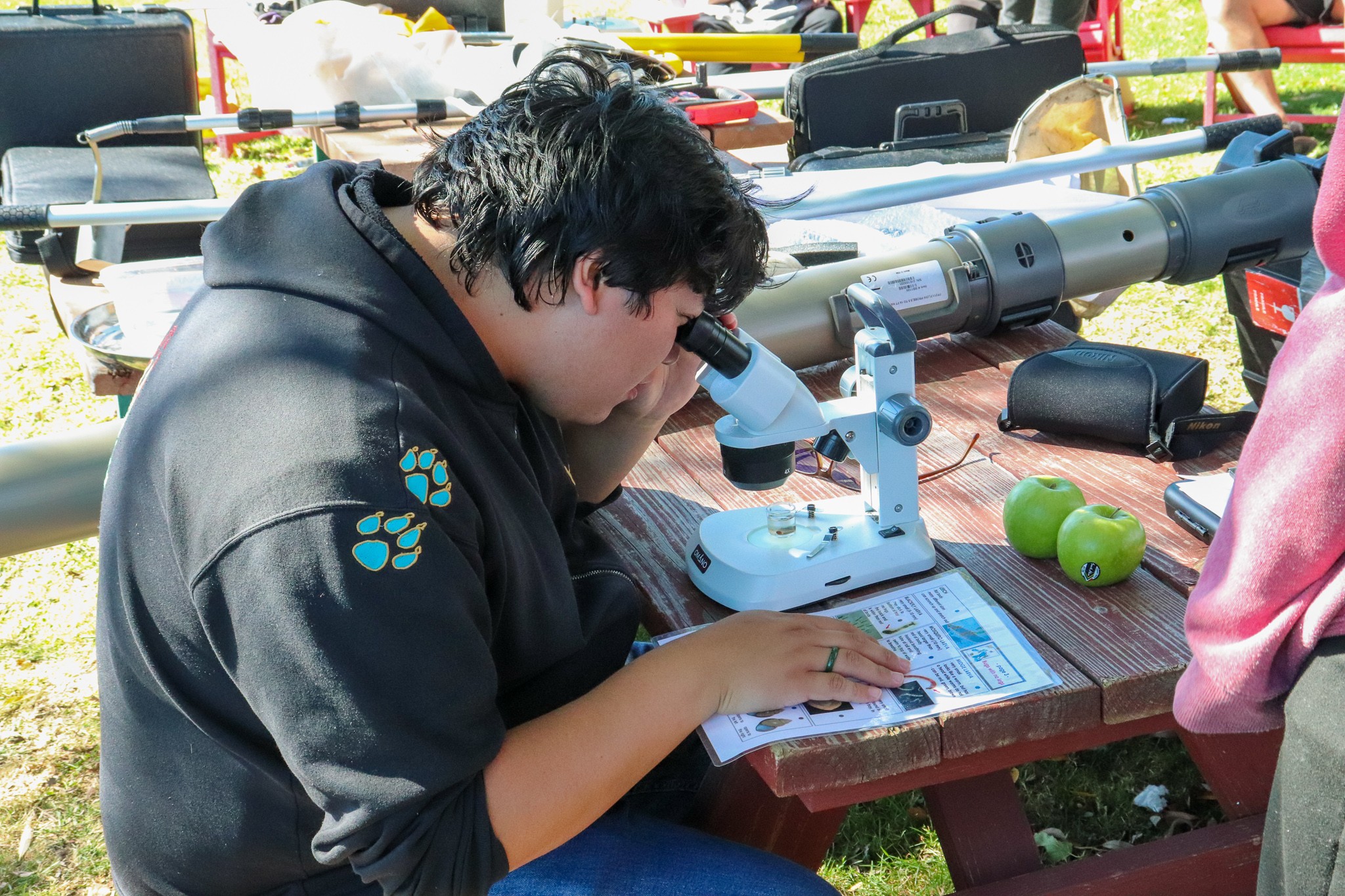
Liam used a microscope to inspect benthic invertebrates and plankton collected from the water. The species present can be linked to overall water quality.
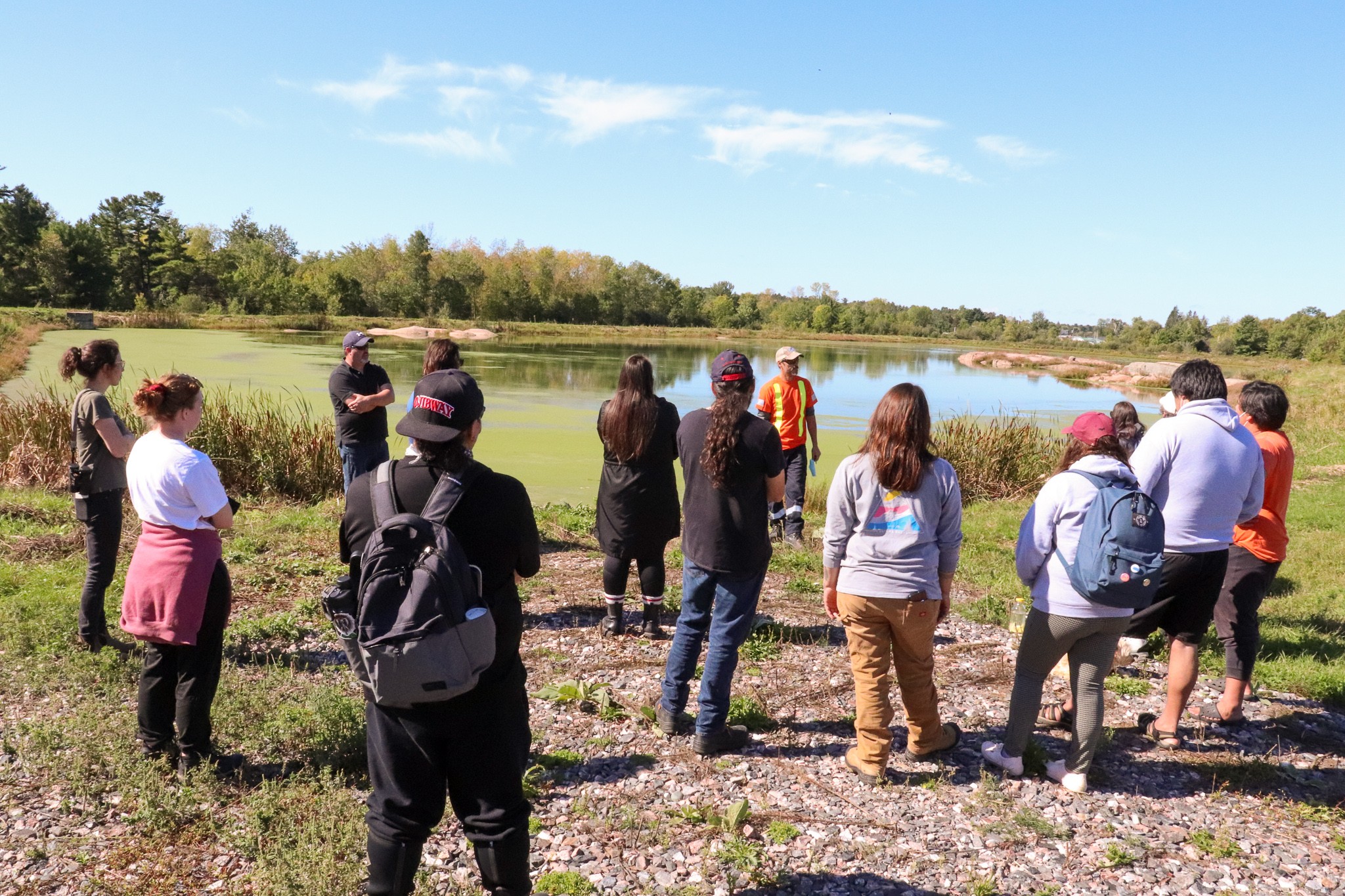
An operator from the local water treatment plant in Killarney gave the interns a tour of the plant and the city’s wastewater lagoons.
Drinking water advisory statistics are for federally maintained systems on First Nations reserve lands only. These numbers do not include private systems or systems in Inuit communities.
Drinking water advisories include short-term (under 1 year) and long-term (more than 1 year) boil water advisories, do not consume advisories, and do not use advisories for First Nation communities in Canada.
Calculating the number of drinking water advisories is a complex process. Water First relies on information from several different sources.