
by Adrianna Bilinski, Indigenous School Engagement Coordinator
Over the last few years, the Schools Program team at Water First has been building strong, lasting relationships with community members at Beausoleil First Nation. We’ve piloted different hands-on water science programs with the local school and watched the students grow – both physically and mentally.
Based on the successful programs we have run together over the past few years, this summer, the community requested that we expand our summer curriculum. Last summer, the Schools Program team delivered our first Summer Credit Program. This 8-week outdoor, learning program helped give students entering Grade 9 a head start by earning a Geography credit! This year, we expanded the program to work through the Grade 9 Science curriculum, in addition to last year’s Geography curriculum. The addition of a second high school credit over the summer pushed facilitators and students alike to work tirelessly and passionately over the 8-week program with amazing success and outcomes.
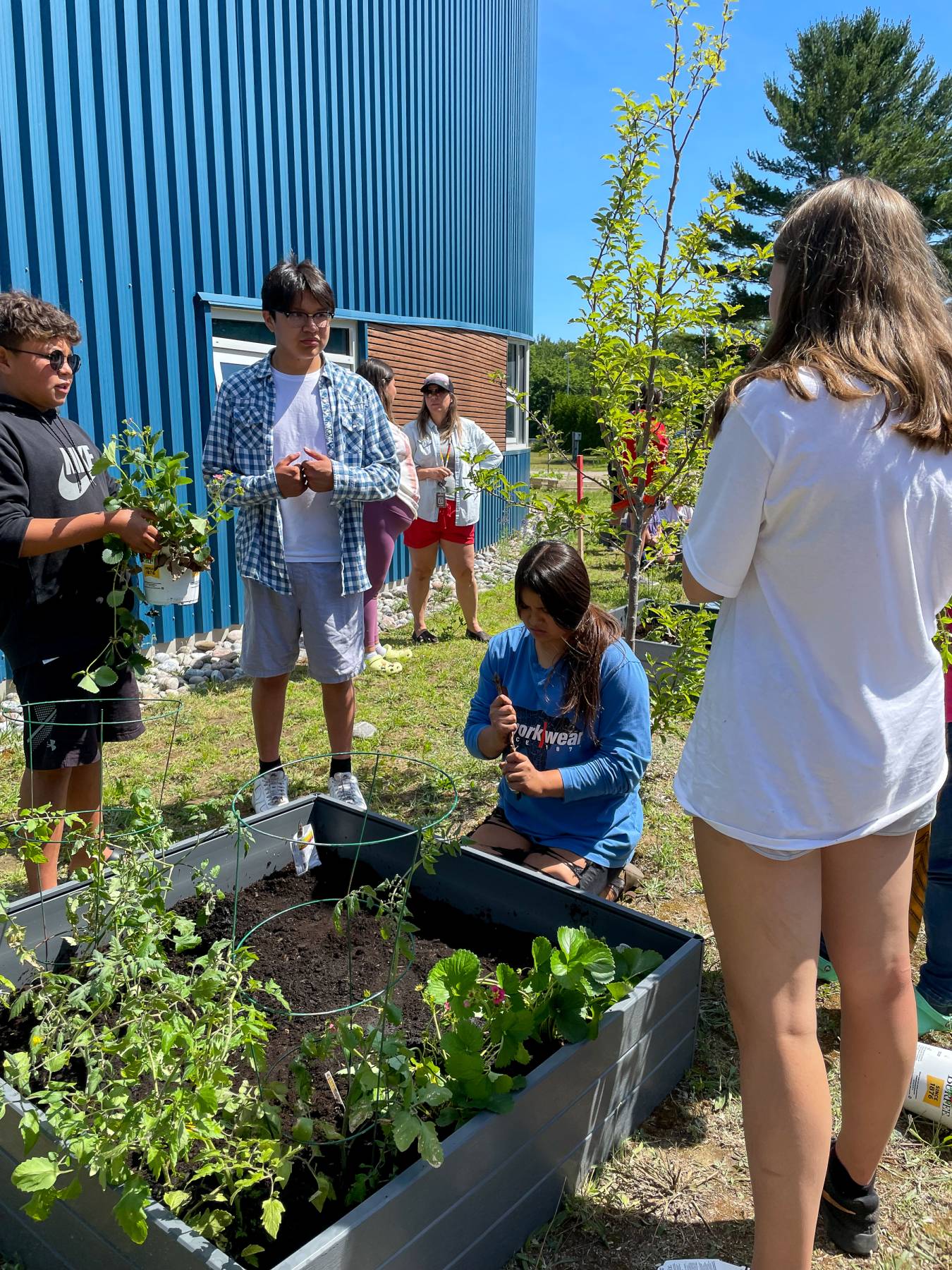
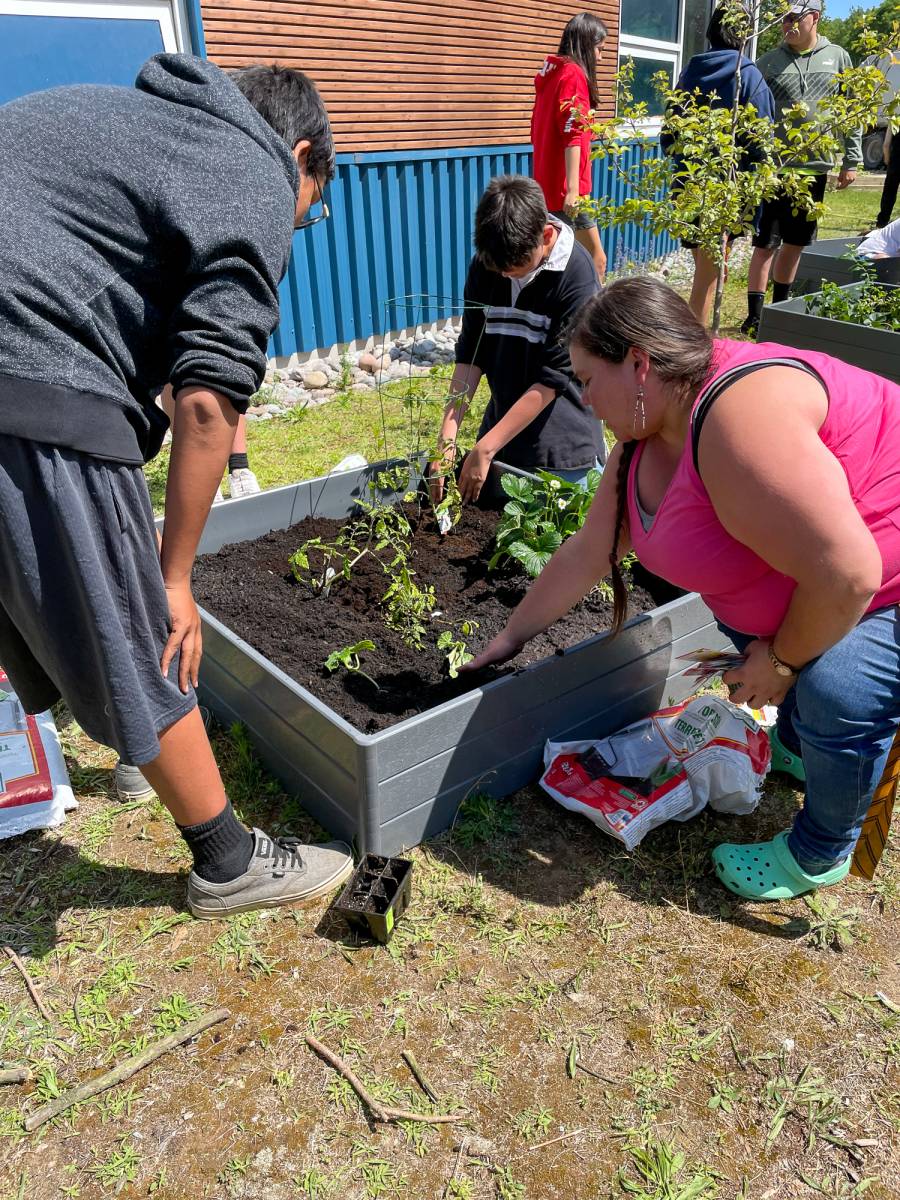
The summer began with the students planting their own gardens to maintain throughout the program. They researched which fruits and vegetables should be planted together and why. They learned about how different elements from the periodic table are used or produced by certain vegetables, and this helped them make their choices.
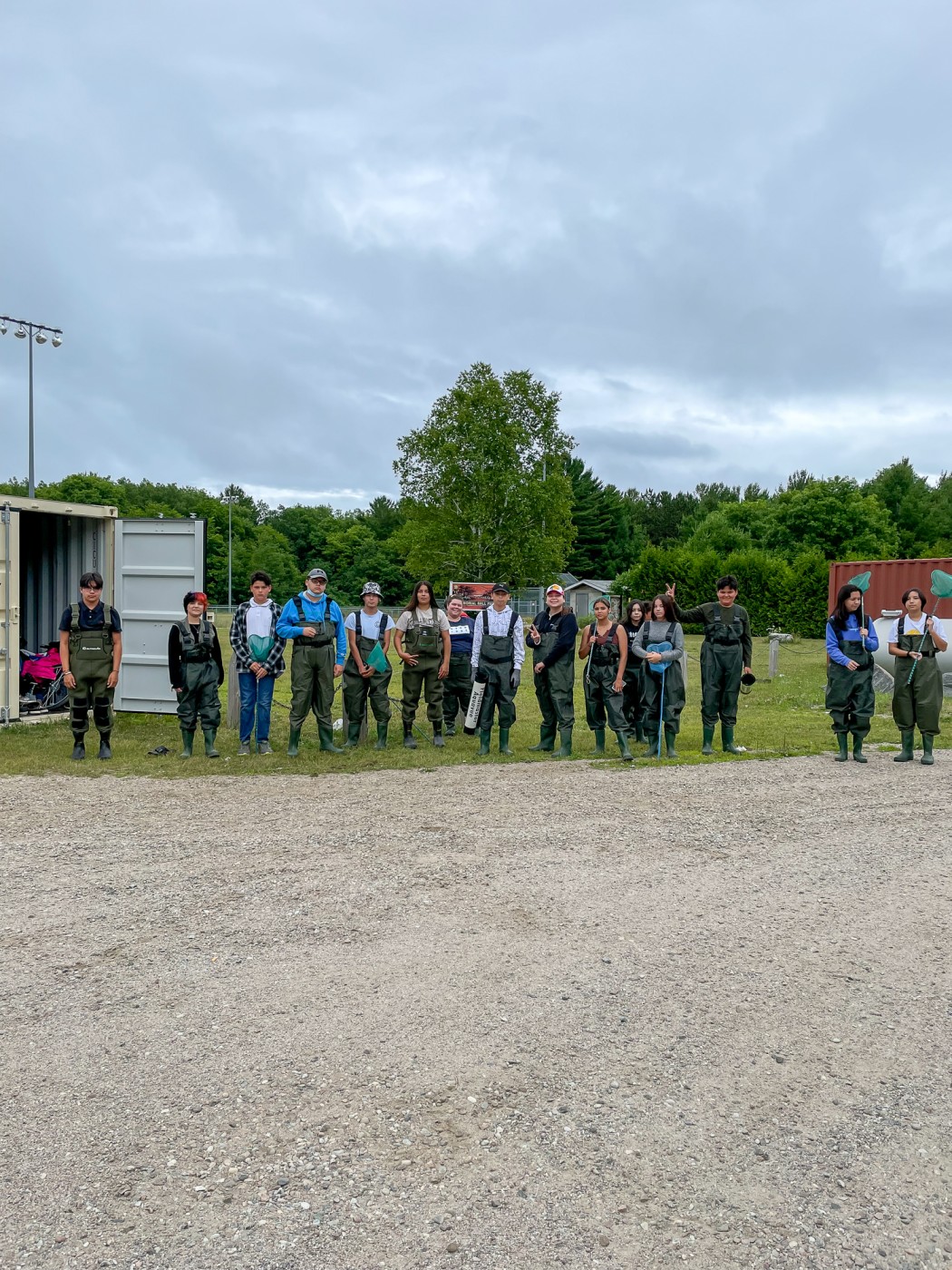
Beyond their gardens, students led a summer-long beach monitoring project. Every week they took water samples and sent them to the local health unit to keep their community advised if E.coli levels were safe for swimming. Students learned more in class about bacteria growth in water by growing our own bacteria in an IDEXX incubator.
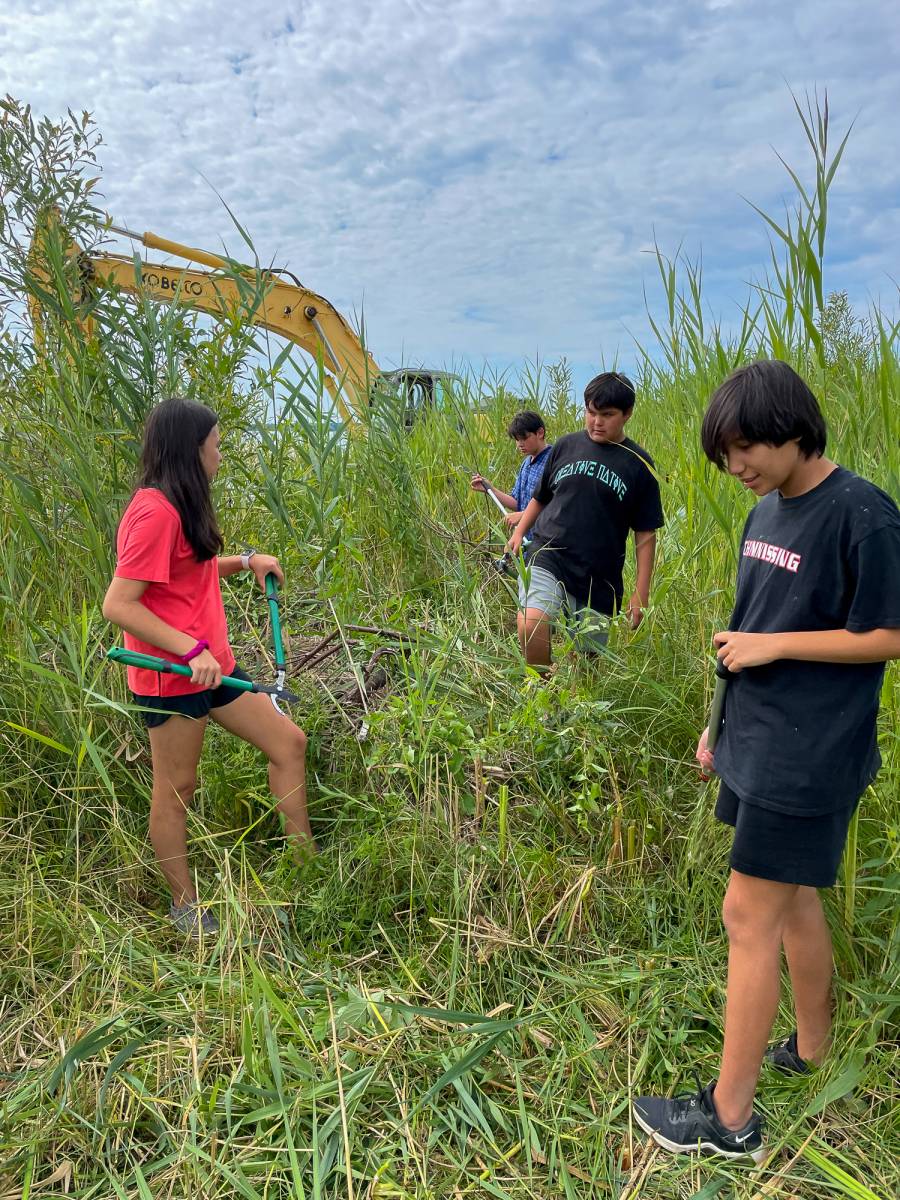
Another incredible project that students took the lead on was removing an invasive species called phragmites from one of the lake shores on the island. This project was a great combination of taking care of the community and learning as the summer progressed.
Partners eager to see the program return
After the pilot last year, all of our partners were eager to run the program again, including Beausoleil First Nation, Right to Play and the school board. In fact, the success of the initial program inspired the local school board to run their own version of the Summer Credit Program in two other locations, both a replica of the Geography course that ran last summer.
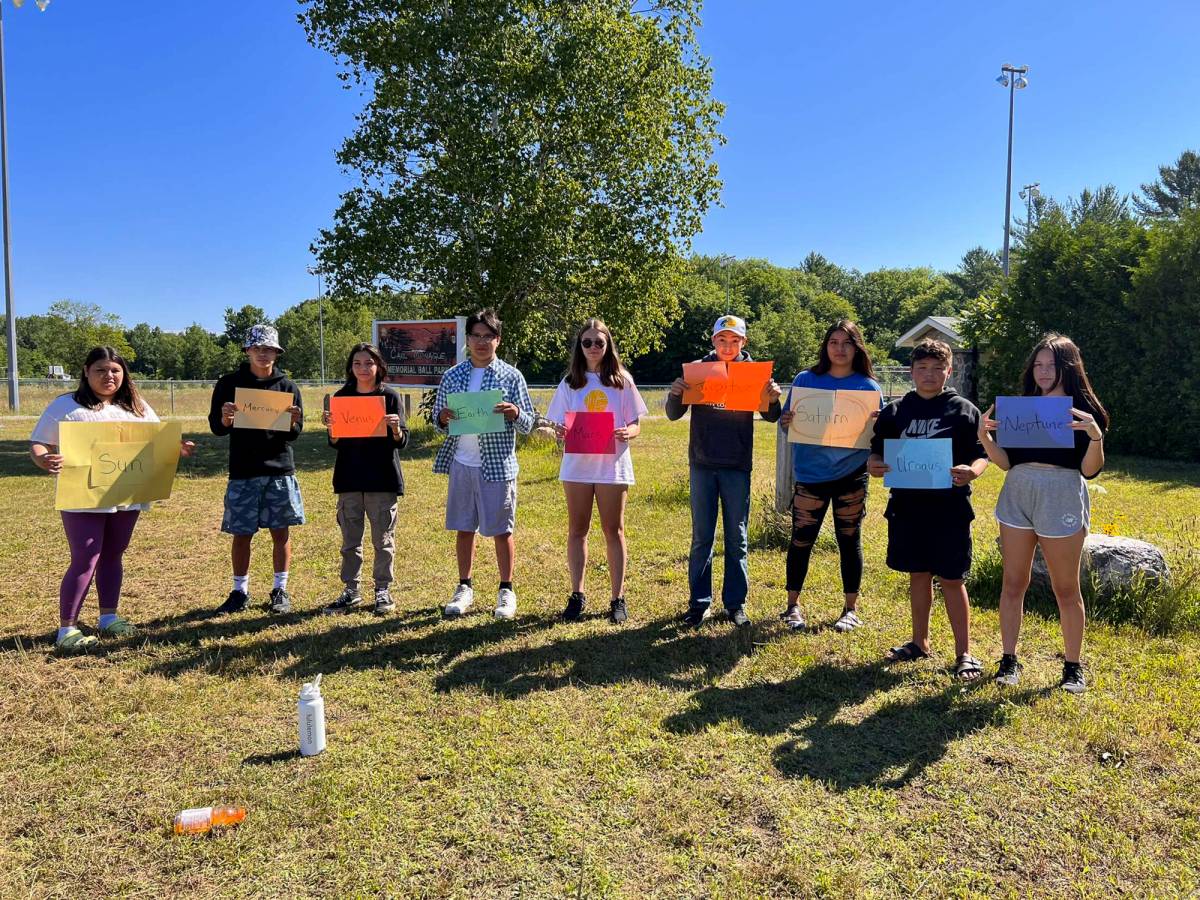
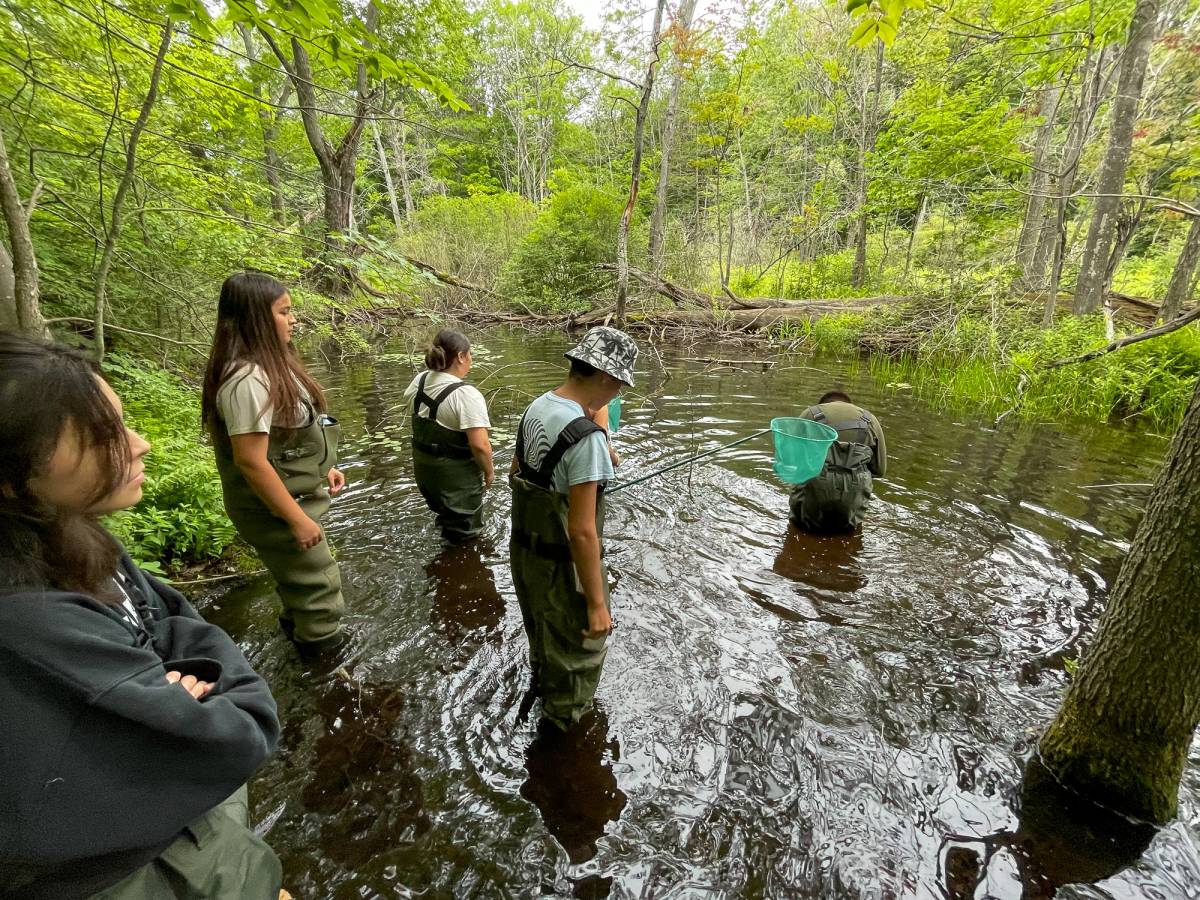
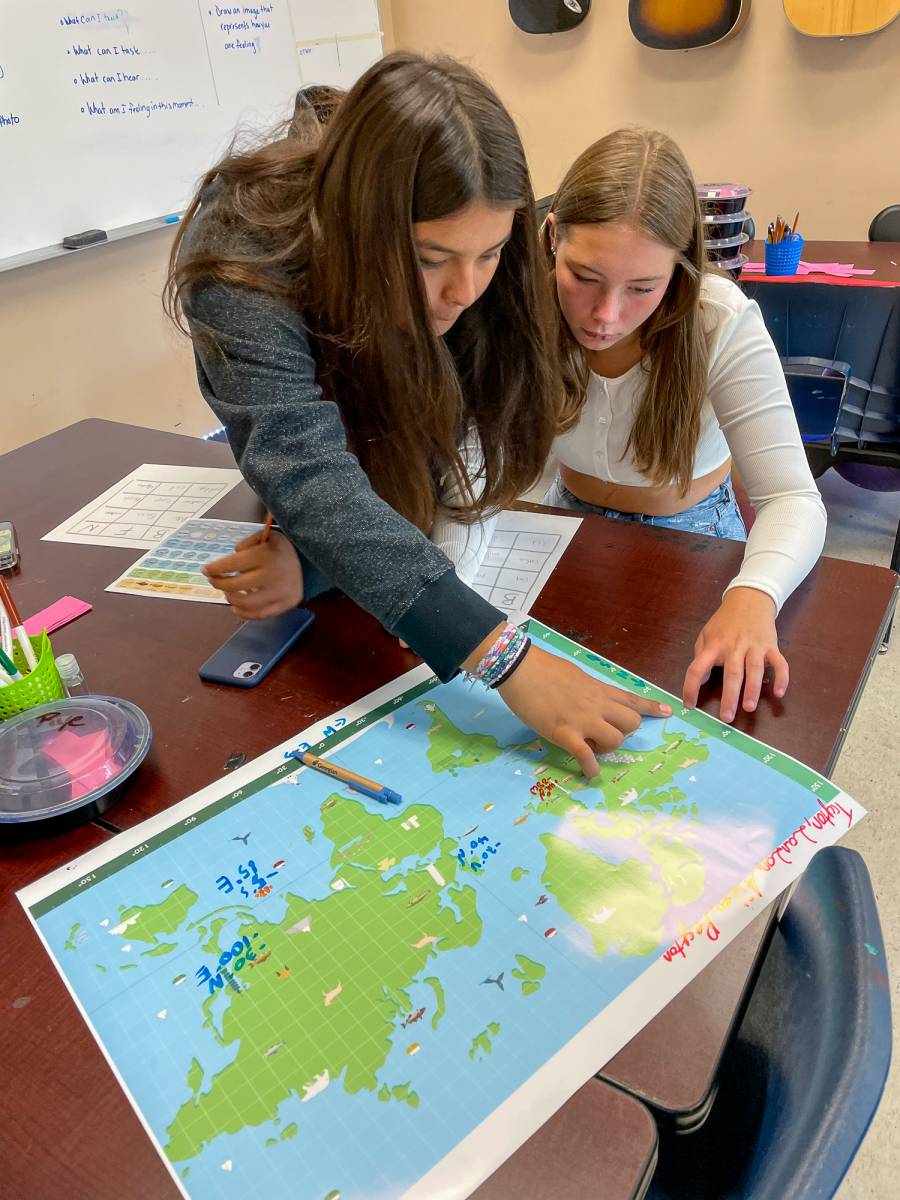
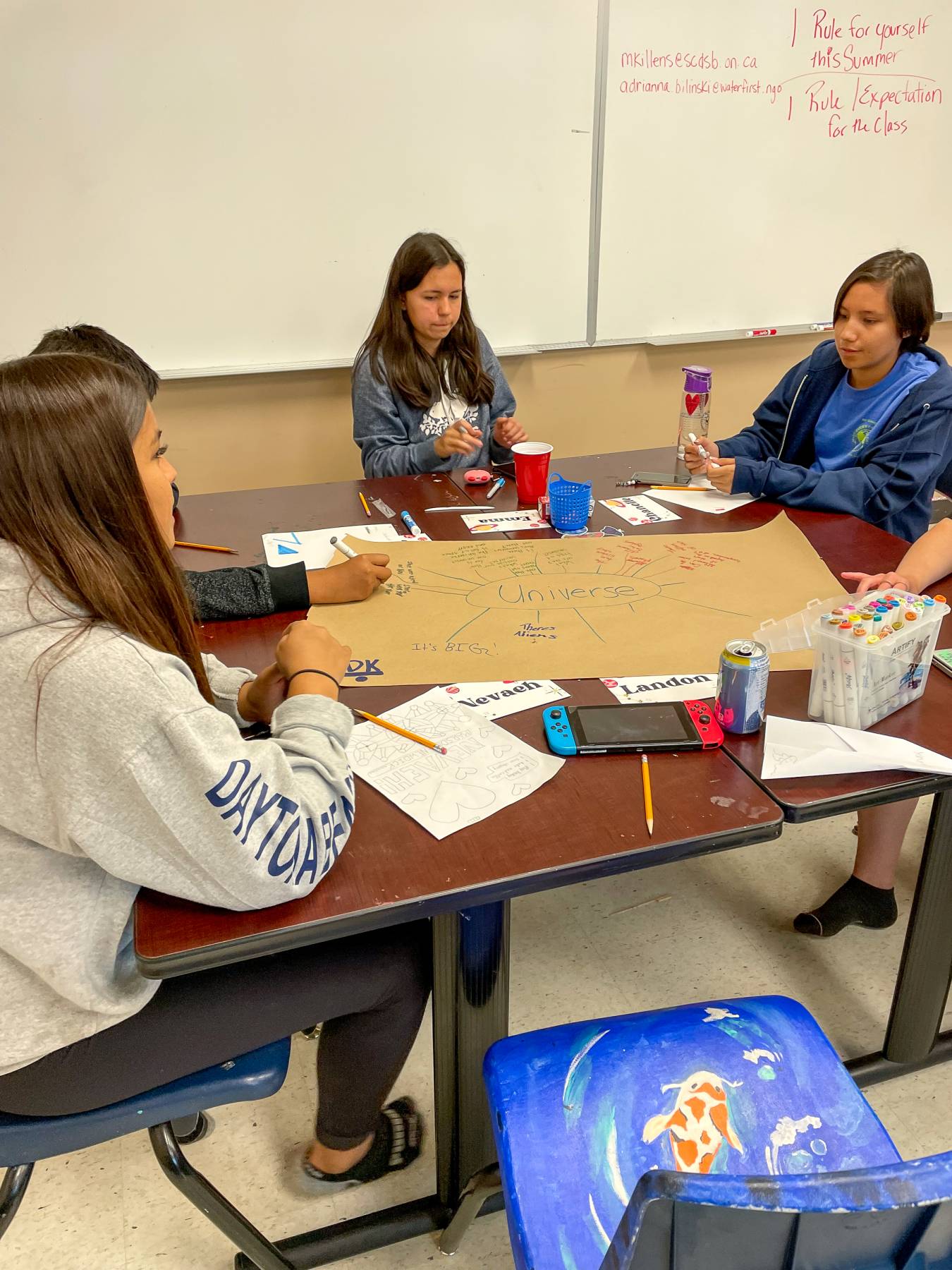
On Christian Island, the Schools Program team at Water First has had the opportunity to work with this particular group of students for three programs prior to this year’s Summer Credit Program. In a survey that was done before the program began this summer, a quarter of the students answered that they were taking the course because they really like Water First programming. One parent even reached out and said that her son “has surely enjoyed this opportunity.” We are so privileged to have the opportunity to know these students and to provide an opportunity for them to have a head start in their high school career!


